
Your Handy Guide to Restaurant Air Conditioning
If you own, manage or work in a restaurant, indoor comfort may not be at the top of your list day to day. But from a guest’s point of view, it plays a real part in the overall experience. As more venues open each year, expectations rise too, and repeat bookings often depend on more than the menu alone.
At a glance
- Who this guide is for: Owners, managers and teams looking to improve comfort front of front-of-house and back-of-house areas.
- What it covers: Common challenges, maintenance realities, suitable unit styles, and practical ways to run systems efficiently.
- Key takeaways: Comfort is a health and safety consideration as well as a customer one; sizing and airflow matter; maintenance in food environments needs extra care.
Bristol & South West context
In Bristol and across the South West, many premises mix older building fabric with modern refurbishment. That can mean variable insulation, heat gain through large shopfront glazing, and tighter external space for outdoor equipment. Local streets can also be noise-sensitive, especially near residential flats.
As a rule, it helps to plan for clear airflow, sensible outdoor unit placement, and considerate noise control from day one. If you’re unsure what’s practical in your building, it’s worth checking what a professional assessment involves in our guide on what an air conditioning site survey includes.
People are looking for an all-inclusive dining experience: time with loved ones, great food and a space that feels comfortable throughout the meal. Temperature and humidity can influence that more than you might expect. Too cold, and guests can be distracted. Too warm and you risk discomfort, staff fatigue, and (in extreme cases) heat-related illness.
The right setup can help you warm or cool different areas of the premises, either through automatic controls or simple manual settings. This guide walks through the main points to consider when choosing a suitable system.
Restaurant-specific Challenges With Air Conditioning
Most people have heard the classic “too hot / too cold” debate in shared workplaces. In a hospitality setting, it matters more because comfort affects both customer experience and staff wellbeing. Treat temperature control as part of your everyday health and safety approach, especially where there’s a busy kitchen and higher occupancy.
Why do conditions change quickly
Many venues aim for a comfortable “low-20s °C” feel in the dining area, then fine-tune based on occupancy, airflow and the season. In practice, several factors can push conditions up and down during service:
- Draughts caused by opening and closing the restaurant door.
- Different comfort preferences between guests.
- Extra heat is produced when a kitchen is working at capacity.
- The number of diners at any given time (and how long tables are occupied).
Whatever the size of your restaurant, those variables (plus your layout and ventilation) will influence how stable the space feels. If you’d like a qualified engineer to check airflow and zoning options, we can help you build a practical plan that fits how you actually run service.

Maintenance Challenges for Restaurant Air Conditioning
Maintenance is another key consideration. Food preparation areas can be tough on equipment, and performance can drop faster than you’d expect if systems aren’t serviced appropriately for the environment.
What makes kitchens harder on equipment
- A build-up of grease, fine particles and cooking residues can affect filters and coils, reducing airflow and efficiency.
- Higher heat loads in back-of-house spaces can push warmer air towards the dining area, meaning the system has to work harder to keep conditions steady.
- Humidity from dishwashers and cooking activity can contribute to moisture-related issues if drainage and airflow aren’t managed well (for example, blocked condensate routes or damp components).
Keeping it safe and reliable
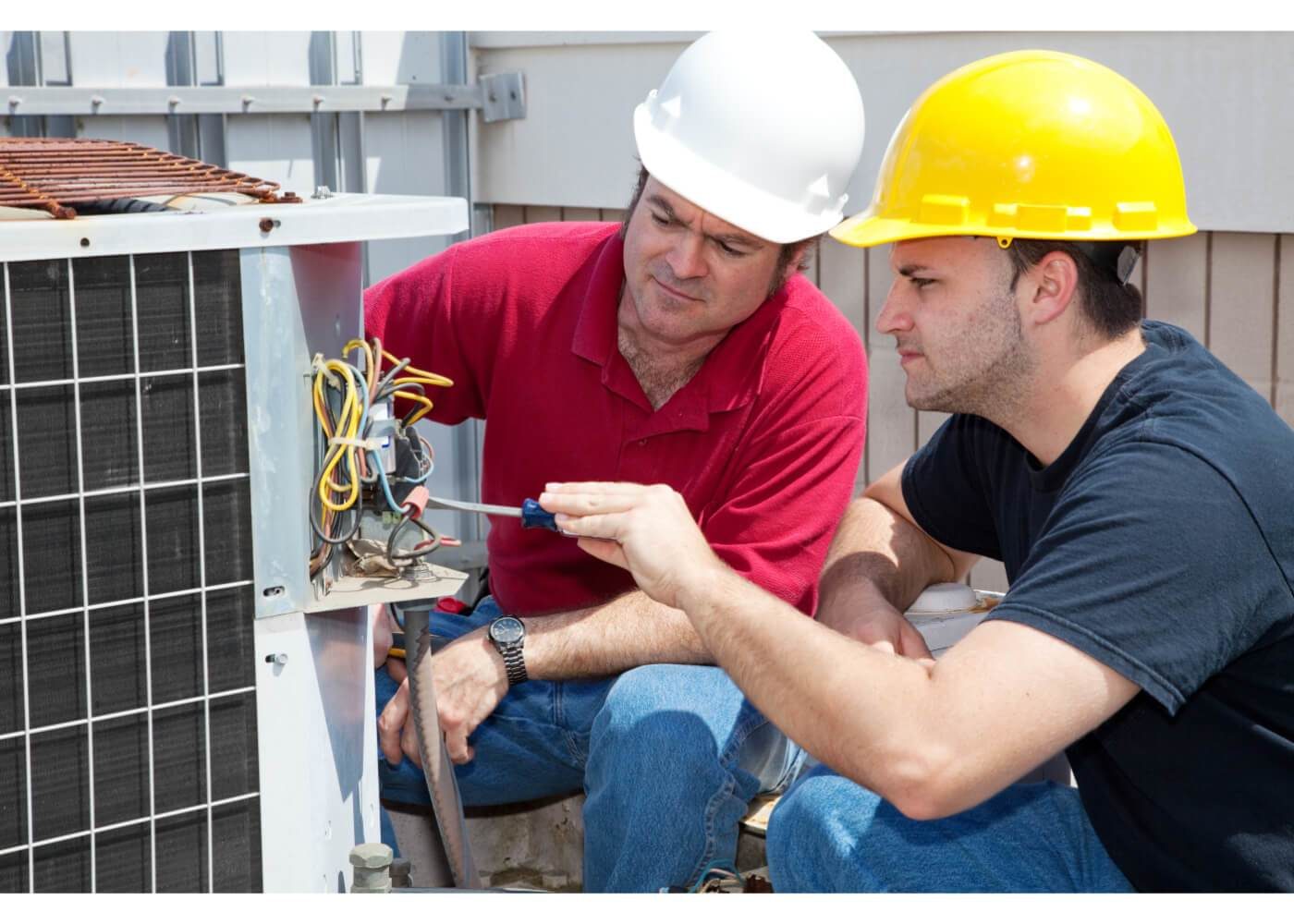
Routine checks help you spot issues early, such as reduced airflow, unusual noises, water dripping, or inconsistent temperatures. If you suspect a refrigerant-related fault or the unit isn’t performing as it should, it’s safest to stop relying on it and arrange a professional inspection, as refrigerants must be handled by appropriately qualified engineers.
For planned upkeep, see our service and maintenance support – it’s often the simplest way to protect comfort, performance and hygiene in busy environments.
Most Common Air Conditioner for Restaurants
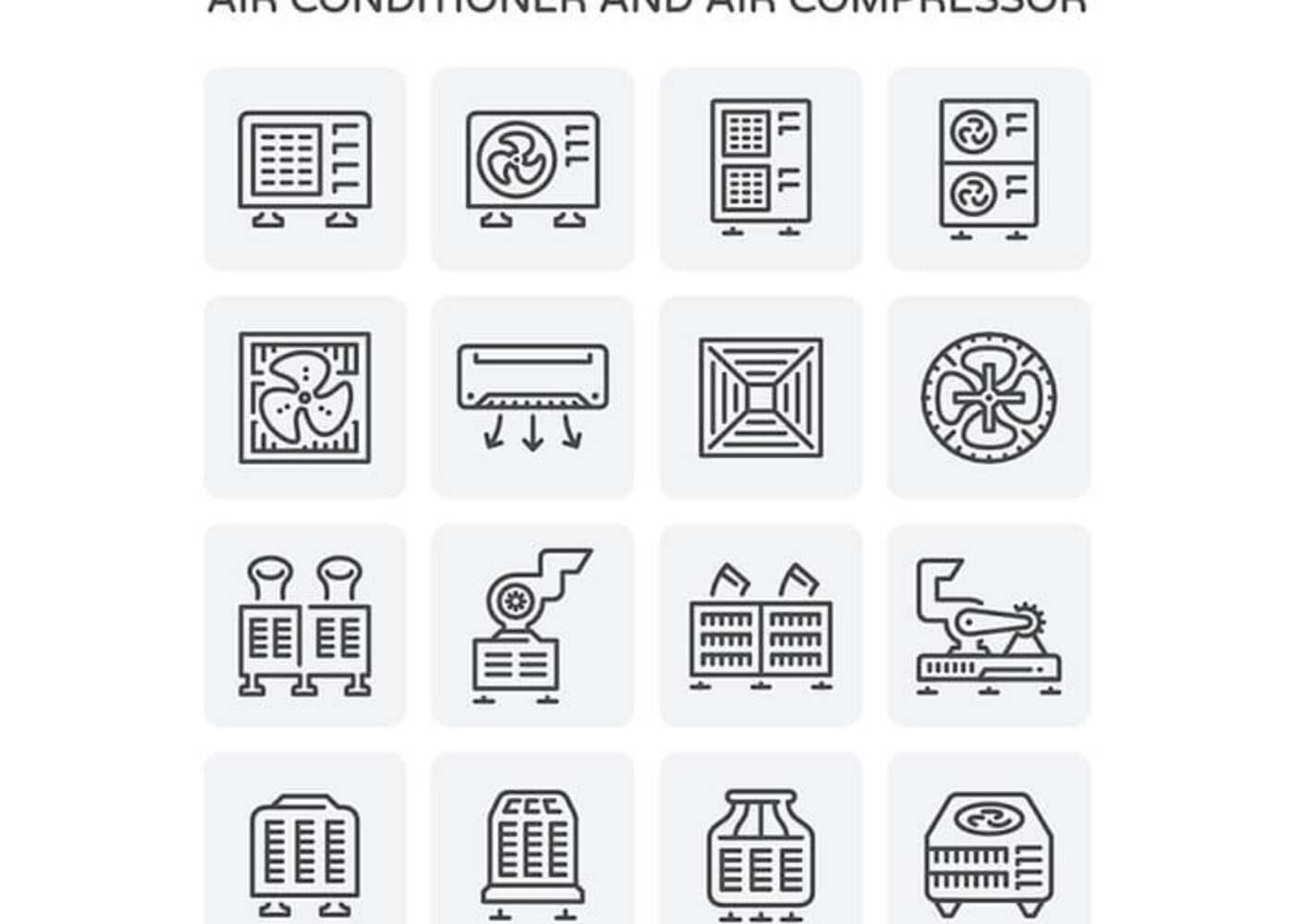
If you’ve done any research, you’ll know there’s a wide range of unit types. In many dining spaces, a practical starting point is a wall-mounted option: it’s typically cost-effective, straightforward to position, and easy to integrate into the look of the room.
Wall-mounted options
Where suitable, installing a unit higher on the wall can help keep it discreet and support better air distribution. Placement still depends on your layout, seating plan and typical heat sources, so it’s worth thinking about avoiding draughts across tables and minimising hot or cold spots. You can see examples of wall-mounted unit options if you’re comparing styles.
Ceiling cassette options
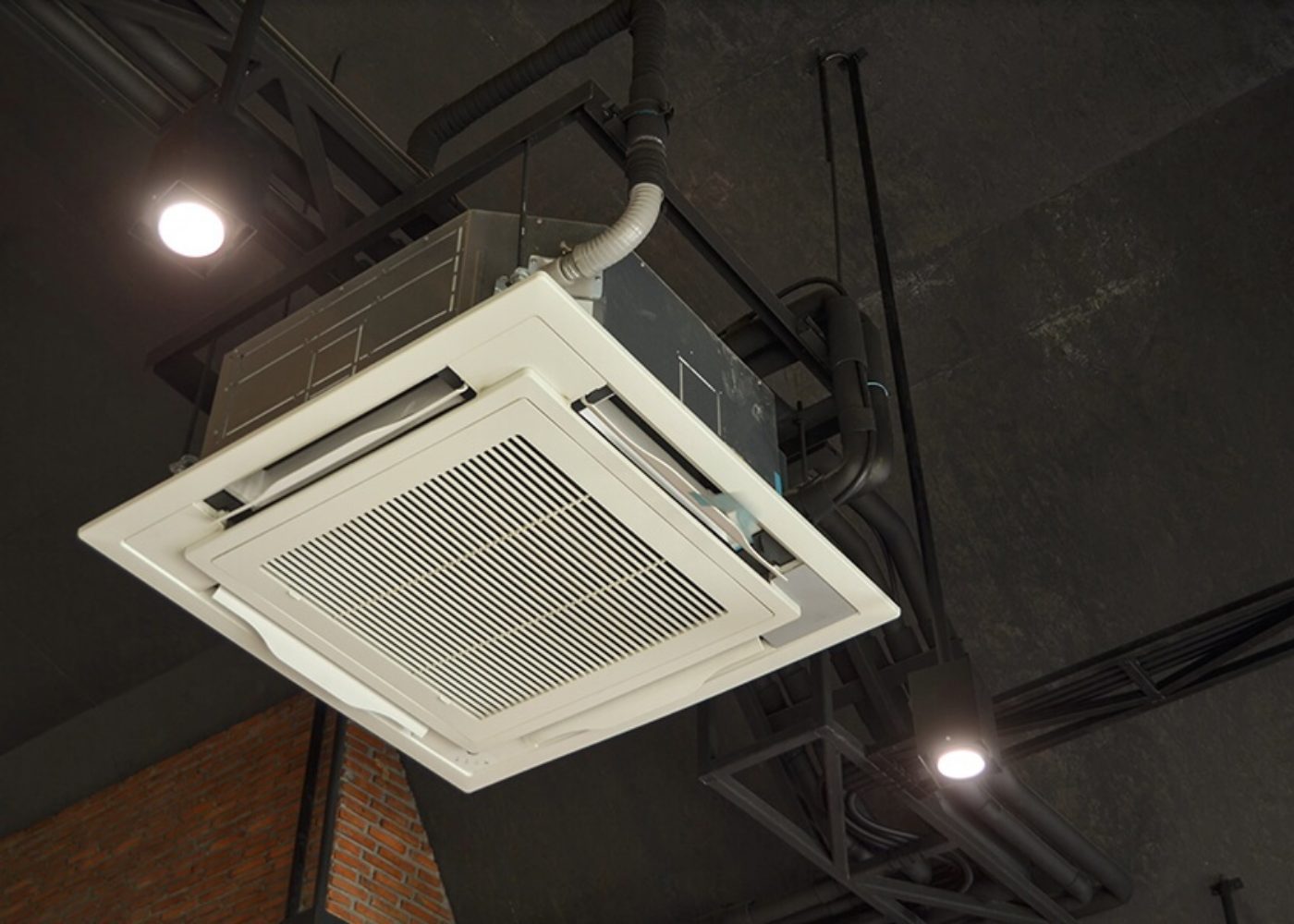
Another common approach is a ceiling-mounted cassette fitted into a ceiling void. This can work well where aesthetics matter, and you want more even distribution from above. Many systems can also offer multi-directional airflow to help maintain consistent conditions across the room. For a visual reference, take a look at ceiling-mounted cassette units.
Whichever direction you go, it’s wise to consider noise levels in guest areas and near neighbours. If that’s a concern for your site, our guide on how noisy air conditioning can be explains what influences sound and what can be done to reduce disturbance.
How to Use an AC Unit Efficiently in Your Restaurant
There are a number of practical ways to run a system efficiently in a hospitality environment. The aim is steady comfort without unnecessary runtime.
Practical tips you can apply straight away
- 1. Use the right-sized unit for your space. Systems that are too small can struggle in peak service; systems that are too large can cycle on and off and feel less consistent. If you’re unsure, our guide on choosing the right unit size covers the basics.
- 2. Use programmable controls where possible. Simple schedules can reduce wasted running, and some setups can adapt based on time of day, measured temperature and other inputs.
- 3. Don’t forget smaller areas such as toilets and corridors. Leaving units on continuously in low-occupancy areas can add cost and make these spaces feel uncomfortably cold. Consider limited hours or setback temperatures where your controls allow it.
- 4. Make use of start-up and shut-down programmes. Timed operation can help you precondition the space before service and reduce runtime after close, without leaving equipment running all day.
When to get professional support
If your premises have persistent hot spots, humidity issues, or frequent complaints during service, it’s usually a sign that the airflow, controls or capacity need a closer look. A site survey can confirm what’s happening and what changes would actually make a difference.
Cooling a restaurant presents a unique set of challenges, many of which can be managed with the right design, installation and ongoing care. Here at Controlled Climate, we have more than 25 years of experience supporting commercial projects across Bristol and the South West, and we can help with everything from system design through to installation and servicing. Speak to our team if you’d like advice specific to your premises.
FAQs
How often should equipment be serviced in a food environment?
It depends on usage and the conditions in the building, but busy kitchens and high-traffic venues often benefit from more frequent checks than low-use spaces. A maintenance plan should reflect heat load, grease, humidity and operating hours.
Why does the dining area feel warm even when the system is on?
Common causes include high occupancy, heat spilling from the kitchen, restricted airflow (for example, dirty filters), or settings that don’t match how the space is used. A survey can confirm whether the issue is capacity, airflow, control strategy, or ventilation.
Can we control different areas separately?
Often, yes. Zoning can help if your layout includes warmer back-of-house areas, cooler front-of-house sections, or spaces that fill at different times. The best approach depends on your floor plan and equipment type.
Is noise something we should plan for?
Yes, especially for guest comfort and neighbouring properties. Unit selection, placement, mounting, and operating settings all influence perceived sound levels, so it’s worth addressing early in the design stage.
Is it safe to maintain systems in-house?
Basic housekeeping (such as keeping vents clear) is usually fine, but technical work should be left to qualified engineers. Refrigerants and electrical components must be handled safely and in line with UK requirements.
What to do next
If you’re planning an upgrade or you’re dealing with persistent comfort or reliability issues, the safest next step is a professional assessment. We’ll help you understand what’s practical for your site, what needs attention, and how to improve performance without disrupting service.