
A Guide to Residential Air Con Use
Here in the UK, we’re a nation of radiator users. With our changing weather, most homes are set up for heating rather than cooling. However, warmer summers are becoming more common, and the Met Office forecast for 2020 placed global average temperatures at around 1.1°C above pre-industrial levels. For many households, having a reliable way to manage indoor comfort during hot spells is now a practical consideration.
At a glance
- Who this guide is for: homeowners and landlords looking to use a home cooling system safely and efficiently.
- What it covers: how these systems work, everyday benefits, common unit types, and simple usage tips.
- Key takeaways: size matters, doors and windows affect performance, filters and servicing protect reliability, and professional support is important where refrigerant or electrics are involved.
Residential air conditioning can cool a space quickly, making living areas more comfortable and easier to use in warm weather. Many modern systems can also provide efficient heating in winter (as a heat pump), depending on the model. If you’re new to running this type of equipment, our team at Controlled Climate has pulled together the essentials so you can get the best from your investment, safely and without guesswork. For help choosing the right set-up, see our home system selection guide.
Bristol & the South West: local considerations
Homes across Bristol, Bath and the wider South West often include older terraces, converted lofts and mixed-use buildings, which can affect where equipment can be placed and how pipework is routed. Coastal air and higher humidity can also make comfort feel different from the temperature alone.
- External units and neighbours: outdoor equipment should be positioned to reduce noise impact and allow safe airflow and servicing access.
- Flats and managed buildings: you may need freeholder or managing agent approval before installing anything externally.
- Listed buildings and conservation areas: restrictions can apply, so it’s worth checking early. Our overview of when planning permission may be needed explains common scenarios in plain English.
If you’d like a qualified engineer to sense-check what’s realistic for your property, we can advise on options and constraints as part of a survey.
How Does Aircon Work?
In short, these systems move heat from indoors to outdoors, which makes the room feel cooler. The process is more involved, and typically looks like this:
- Warm air is drawn in and passes over an evaporator coil. Inside that coil is refrigerant, which absorbs heat and changes from a liquid to a gas.
- The refrigerant vapour travels to a compressor, where its pressure (and temperature) is increased. It then passes through a condenser outdoors, where the heat is released to the outside air and the refrigerant returns to a liquid.
- The cycle repeats until the thermostat reaches the set temperature, then the system reduces output or switches off. For a deeper explanation, read our guide to how aircon works.
Air conditioning systems are practical and effective – especially when the unit is correctly matched to the size and layout of the room.

Benefits
In many countries, home cooling is simply part of everyday comfort. In the UK, it’s still newer for lots of households, so it helps to be clear about what it can (and can’t) do. Here are the key advantages we see most often in homes.

Allergy Reducing
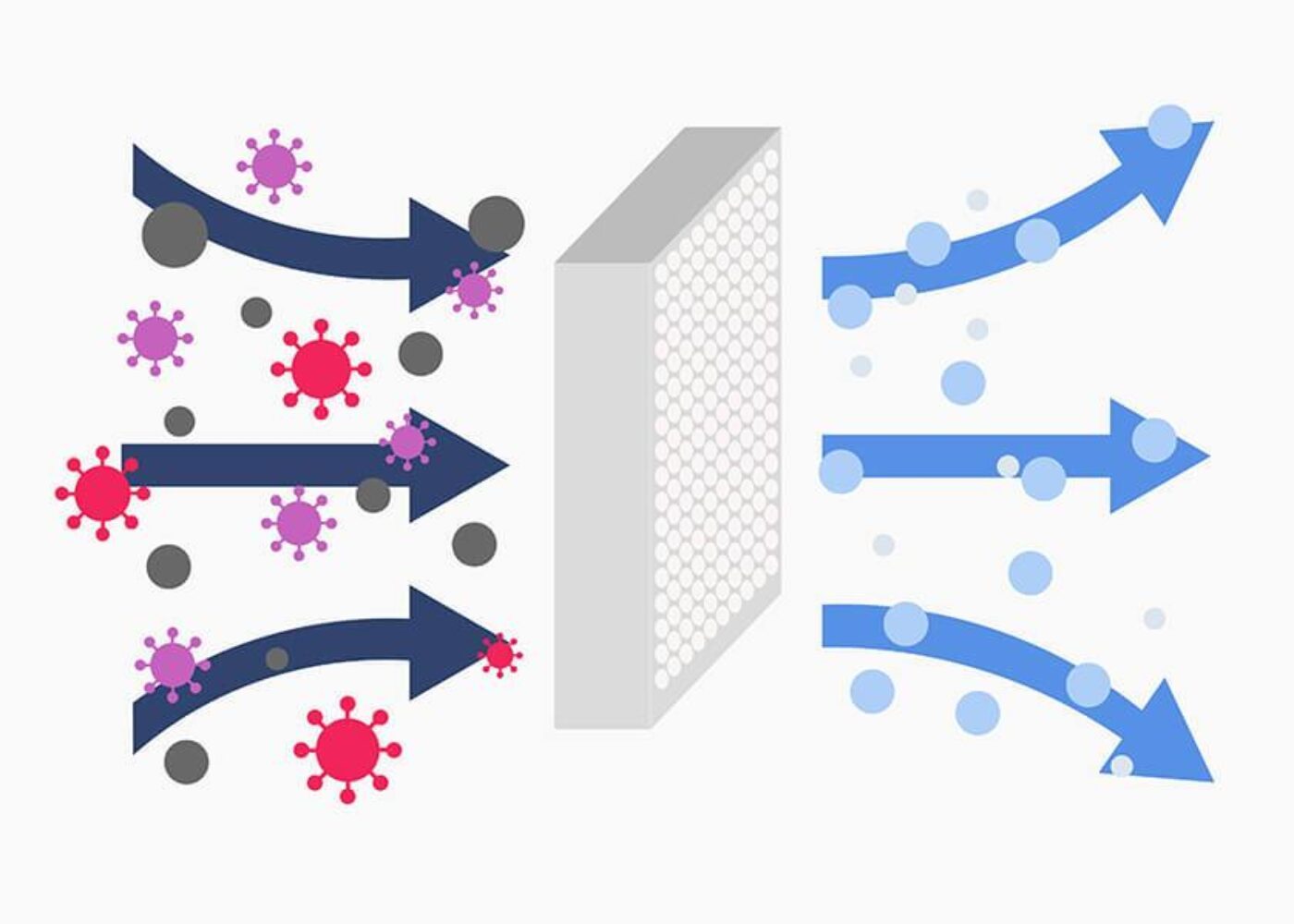
By cooling the air, many systems also remove some moisture, which can help the space feel less “muggy” in summer. Because the unit works best with doors and windows closed, it can also reduce the amount of pollen and outdoor irritants coming in during peak times. Most modern units use replaceable filters that capture dust and larger particles, which may help some people feel more comfortable at home. For a balanced view, see our guide on air con and allergy symptoms.
If you have asthma or respiratory conditions, treat this as comfort support rather than medical treatment, and keep ventilation in mind when it’s safe to do so.
Extend the Lifespan of Electronics & Furniture
In warm weather, electronics can run hotter, and that extra heat can build up in rooms where devices are used for long periods. Keeping indoor conditions steadier can reduce the risk of overheating and help the space feel more comfortable to live and work in. It’s not a substitute for good ventilation around equipment, but it can make a noticeable difference during heatwaves.
Increase Security
Because these systems typically work best with doors and windows closed, it can reduce the temptation to leave openings wide all day in hot weather. That said, always use normal security precautions (locks, alarms and sensible ventilation routines), especially overnight.

Reduced Noise
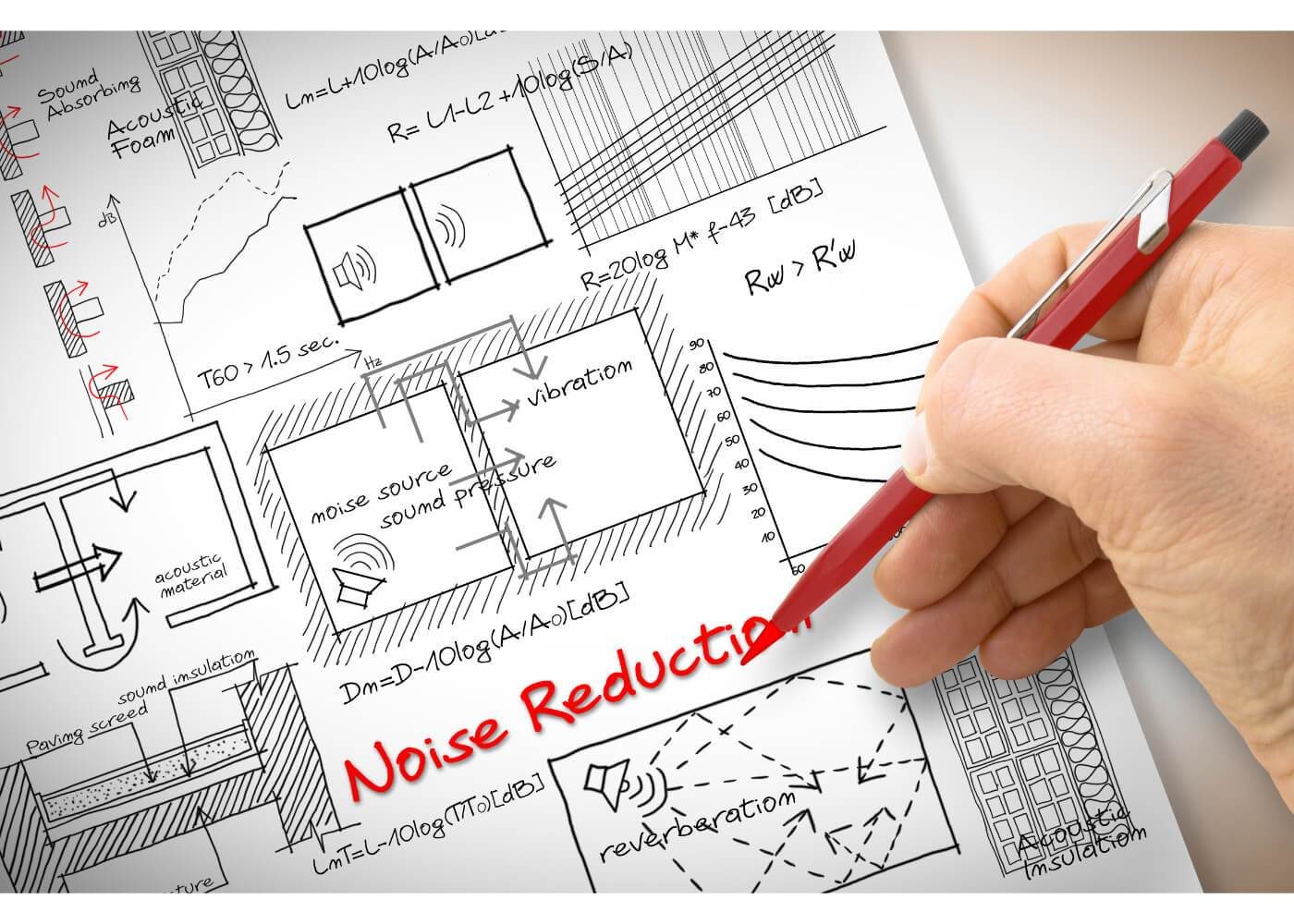
Modern systems are generally much quieter than older models. Keeping windows closed can also cut down on street noise, which helps rooms feel calmer. Remember that outdoor units still make some sound, so placement and correct installation matter – particularly in terraced areas and flats. If noise is a concern, our guide to how noisy units can be covers the practical points to check.
Higher Work Efficiency
If you work from home (or just want a more usable office space in summer), steady indoor conditions can help you focus for longer. Most people find the high teens to low twenties more comfortable for desk work than a hot, humid room – but the “right” setting depends on the person, the room and what you’re doing.

Better Sleep
Your core temperature naturally drops as you approach bedtime, which helps your body prepare for rest. A bedroom that’s kept on the cooler side can support that change, particularly during hot spells. If you wake up warm in the night, gentle temperature control (rather than extreme cold) is usually more comfortable and less drying.

Types of AC Unit
Types of AC Unit
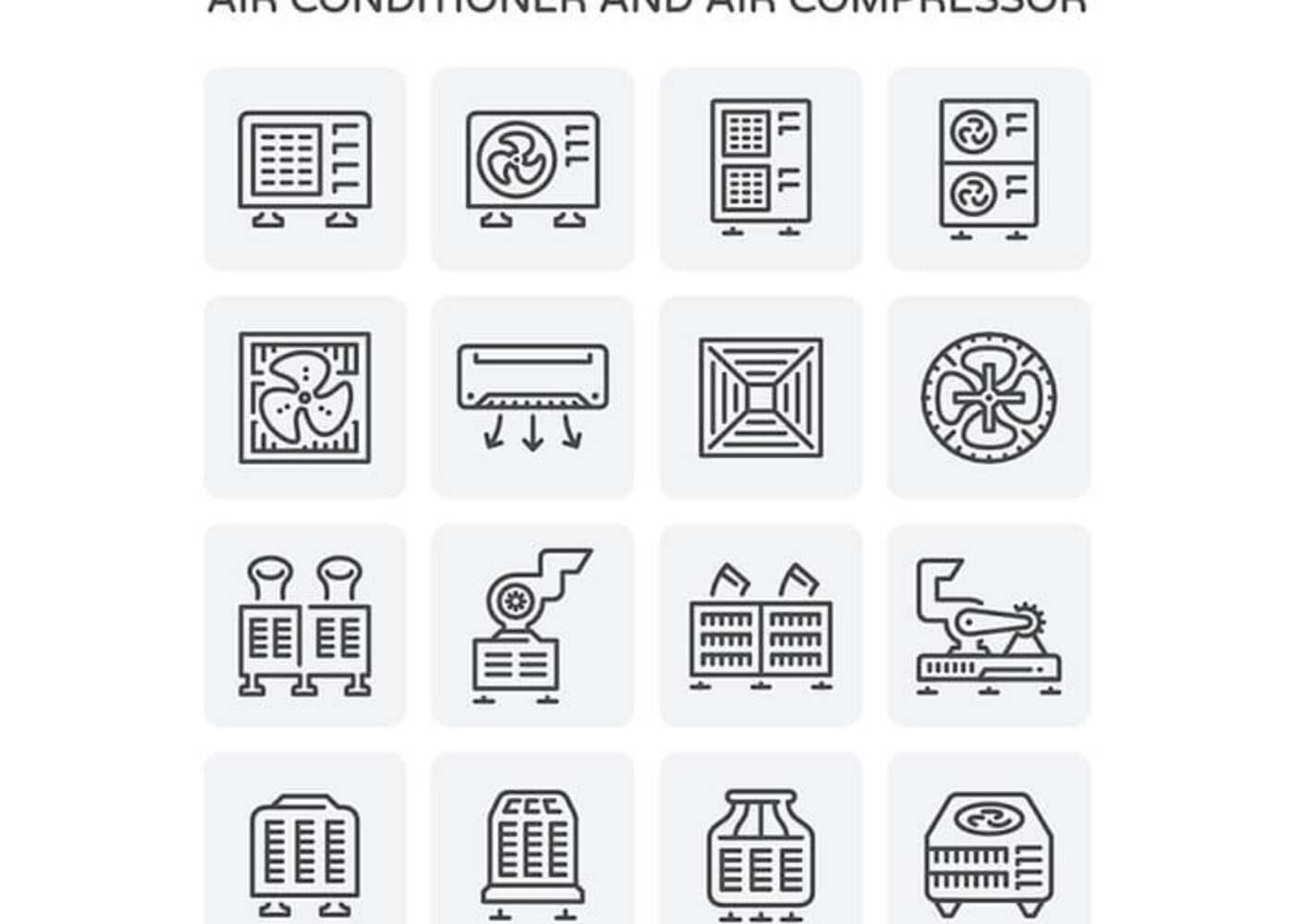
There are 3 main types of air conditioning unit, each with sub-categories. The best fit depends on your budget, room layout and whether you want cooling only or heating too.
MONOBLOCK AC
These devices keep the main components in a single unit (a “one-piece” design). They’re often portable, can be more cost-effective, and can suit occasional use or smaller spaces. Within this category, you will often find:
- Portable air conditioners (typically with a duct to a window)
- Through-the-wall monoblock units (where suitable)
- Window units (less common in the UK)
- Spot coolers (mainly used in industrial settings)
- Compact “all-in-one” room units for straightforward installs
SPLIT AIR AC
These models generally consist of one unit inside and another outside. The pair is connected with pipework and electrical cabling. Many modern options are remote-controlled and can also provide heating in winter, depending on the system. They are typically more of an investment than portable options and can be a good match for larger properties. These include:
- Wall-mounted air conditioners
- Ceiling cassette air conditioners
- Floor-mounted air conditioners
- Duct-mounted air conditioners
MULTI-SPLIT AIR AC
These systems use one outdoor unit connected to multiple indoor units, allowing different rooms to be conditioned independently. They’re common where several areas need control without multiple outdoor units. Designs vary, but you’ll often see two to five indoor units in a home set-up, depending on the property and specification.
TOP TIPS FOR USE
Whichever unit you choose, here are our practical tips for getting the best performance without unnecessary running costs.
- Close doors/windows – Keep windows and doors closed so that the unit can cool the air in the room more effectively.
- Match the unit size with the room size – Our guide on choosing the right size for your space explains what to consider.
- Regular maintenance – Keep your equipment serviced appropriately to reduce breakdown risk and protect performance over time.
- Replace filters – Filters help with airflow and cleanliness. Clean or replace them as recommended by the manufacturer, and never run a unit with clogged filters.
- If you’d like a professional health check (especially before peak summer), our team can support with servicing and maintenance carried out safely by qualified engineers.
FAQs
Do I need planning permission for a home installation?
It depends on the type of property and where the equipment will be fitted. External units can raise questions in flats, listed buildings, conservation areas, or where noise and appearance are sensitive. If you’re unsure, check with the local authority or managing agent early, and use our planning permission overview as a starting point.
Why does my unit drip water?
Condensation is normal, but water indoors can indicate a blocked condensate drain, a dirty filter or an installation issue. Switch the system off if there’s a safety risk and avoid DIY work on anything involving electrics or refrigerant. This guide to common causes of dripping and safe fixes may help you narrow it down.
How often should filters be cleaned or replaced?
It varies by model and how the space is used, but filters should be checked regularly – more often if you have pets, ongoing building work, or high summer usage. If airflow seems weaker, don’t just turn the temperature down; check the filters first.
Can I run it with windows open?
You can, but it usually wastes energy and reduces comfort because heat and humidity keep re-entering the room. If ventilation is needed (for example, cooking smells or fresh air), use short bursts rather than leaving windows open all day.
Should I try to install or move a fixed unit myself?
Anything involving refrigerant handling, pressure pipework, or fixed electrics should be left to appropriately qualified professionals. It’s safer, helps protect warranty, and ensures the system operates as designed.
Here at Controlled Climate, we design and fit home systems across Bristol and the South West. If you’d like straightforward advice on what will work in your rooms, including sensible placement, noise considerations and safe installation, please speak to our team.