
Maintenance Tips for Air Conditioning Systems
If you have any type of mechanical system, such as an air conditioning unit, it will require regular upkeep to maximise efficiency and help it continue to operate as it should. When equipment is well maintained, performance is optimised, running costs are often lower, and breakdown risk is reduced. A planned approach can also help extend service life and avoid avoidable call-outs. If you’d like support setting up a suitable schedule, our service and maintenance options can help.
Summary
This guide is for: homeowners, facilities teams and business owners looking to keep cooling equipment reliable, efficient and safe.
What it covers: routine checks, hygiene and drainage, airflow, electrical safety, and when to bring in a qualified engineer.
- Key takeaway: keep airflow clear (filters and vents) and address water drainage early.
- Key takeaway: Refrigerant work and most electrical checks should be carried out by a competent professional.
- Key takeaway: maintenance frequency depends on use, environment and manufacturer guidance.
For homes and businesses across the wider region, you can also view our South West service areas.
Indoor air quality in your home or workplace matters, and it becomes even more important when you have a cooling system running for long periods. A clean, correctly set up unit supports comfort and humidity control, while a neglected one can circulate dust and odours, struggle to maintain temperature, or contribute to damp issues if drainage is poor.
Routine maintenance checklist
The following points are a sensible minimum for many installations. Always follow the manufacturer’s instructions, and if any step involves electrical work, refrigerant handling, working at height, or access to internal components, use a qualified professional.
- Drain pans and drain lines should be checked and cleaned regularly (often quarterly in many settings). This helps prevent blockages, odours and water damage. Where appropriate, condensate hygiene treatment may be used to reduce biofilm build-up and support reliable drainage.
- Belts (where your system uses them) should be inspected and tensioned routinely. Poor belt condition can reduce airflow and performance, and in some systems, low airflow can contribute to coil icing. If you notice squealing, vibration or reduced output, arrange a professional check rather than running the unit harder.
- Coils should be cleaned at least annually, or more often in dusty or high-use environments. Clean heat-exchanger surfaces support efficient operation, stable temperatures and better airflow. Coil cleaning should be carried out carefully to avoid fin damage.
- Refrigerant levels and pressure should be checked as part of professional servicing. Low charge is often a sign of a leak, and topping up without identifying the cause is unsafe and non-compliant. Refrigerant handling must be carried out by appropriately qualified, F-Gas certified personnel.
- Electrical connections and motors should be inspected periodically for overheating, wear or looseness. Lubrication (where specified by the manufacturer) can reduce friction and help prevent premature component failure. Electrical work should only be completed by a competent engineer.
- All vents and grilles should be kept free from obstruction to maintain airflow. Blocked supply or return paths can reduce comfort and, in some cases, contribute to icing or unnecessary strain on the unit.
Bristol & South West considerations
Local conditions can affect how often you need to check filters, drainage and outdoor components. In this part of the country, you’ll often see a mix of modern developments, older terraces, loft conversions and commercial premises with limited external space, so access and placement matter as much as routine cleaning.
- Humidity and rainfall: mild, damp periods can make condensate management more important, especially where drainage runs are long or routed internally.
- Coastal and roadside exposure: salt air and traffic pollution can increase build-up on outdoor coils, so visual checks and gentle cleaning can be helpful.
- Older buildings: draughts, poor insulation and restricted routing can impact performance, noise perception and where pipework can sensibly run.
If you’re unsure what’s realistic for your property type, a professional assessment is usually the safest next step. Our guide to what an air conditioning site survey involves explains what’s typically checked and why it matters.
When to stop and call a professional
Some checks are not suitable for DIY. Arrange expert support if you notice any of the following:
- Persistent water dripping, staining, musty odours, or repeated drain blockages.
- Ice on the pipework or the indoor coil, or a sudden drop in output.
- Burning smells, tripping electrics, visible scorching, or unusual buzzing from controls.
- Any suspected refrigerant leak (for example, oily residue around joints or repeated loss of performance).
For home upgrades where comfort and layout are key, our home system selection guide is a helpful starting point.
The Air Filter
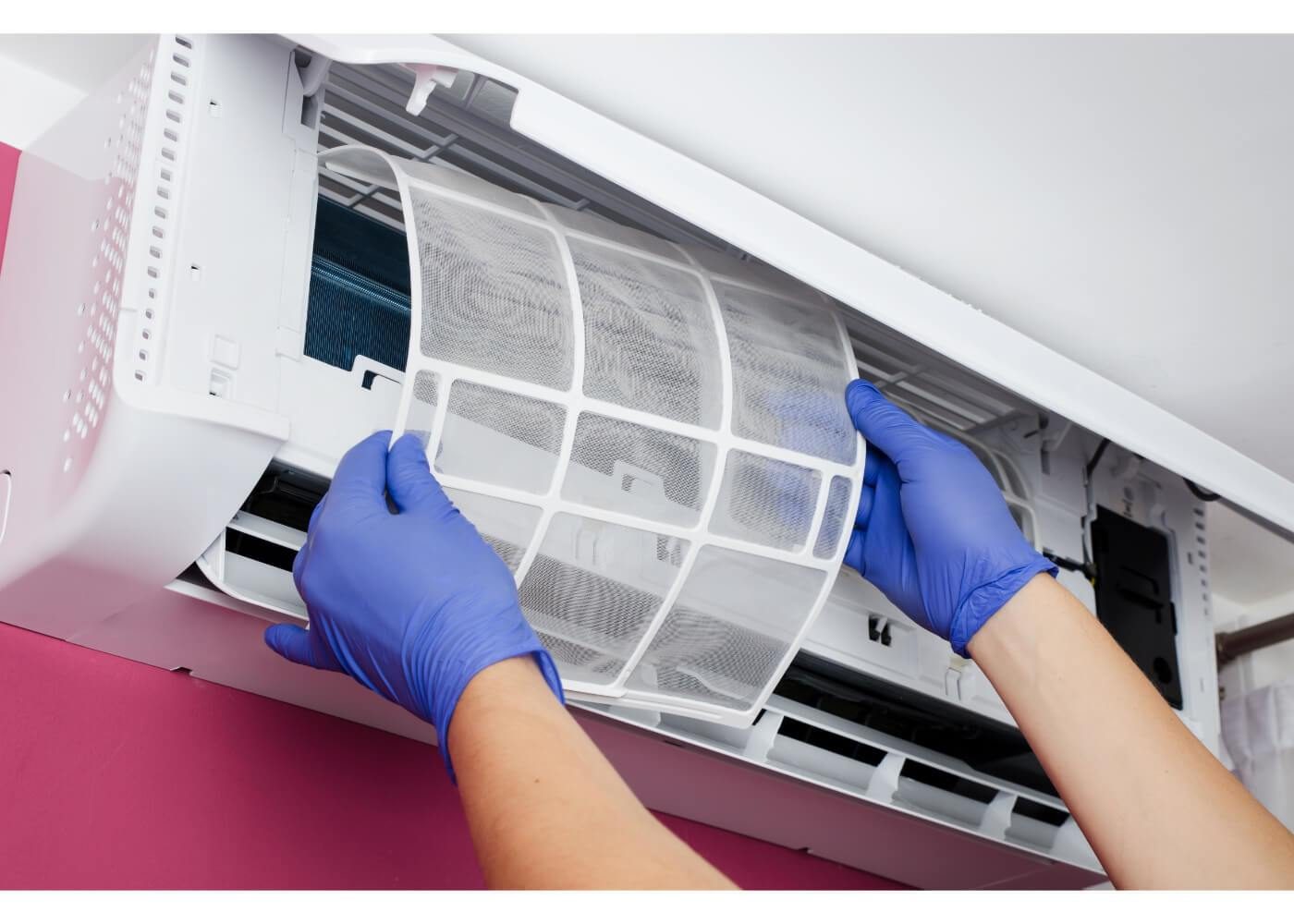
Regular filter care is one of the most important parts of keeping a system running properly, particularly for airflow and hygiene. A clean filter supports better air circulation and helps the unit maintain temperature without unnecessary strain.
Some filters can be cleaned and refitted, but only if the unit is designed for a washable type. Disposable media should be replaced with the correct size and specification. Frequency varies by environment and usage, but many systems benefit from checks around once a month during peak use.
In busy or built-up areas, filters often load up faster than in cleaner, rural settings. When a filter is clogged, airflow drops, components can work harder, and dust may be more likely to circulate through the rooms. If you’re seeing persistent dust, odours or allergy symptoms, it’s worth discussing a maintenance plan with an engineer.
Wiring
Electrical condition checks are important, but they must be done safely. Before any inspection, ensure power is isolated at the correct point (not just at the controller), and do not remove panels unless you are competent to do so.
A qualified professional will typically look for damaged insulation, loose connections, overheating marks and worn contactor components. Electrical installation and maintenance should only be carried out by a competent engineer (such as an air conditioning engineer and/or electrician), particularly in commercial settings.
If you’re planning a refurbishment or a new system for a workplace, you can explore our commercial installation service to understand typical options and considerations.

Thermostat
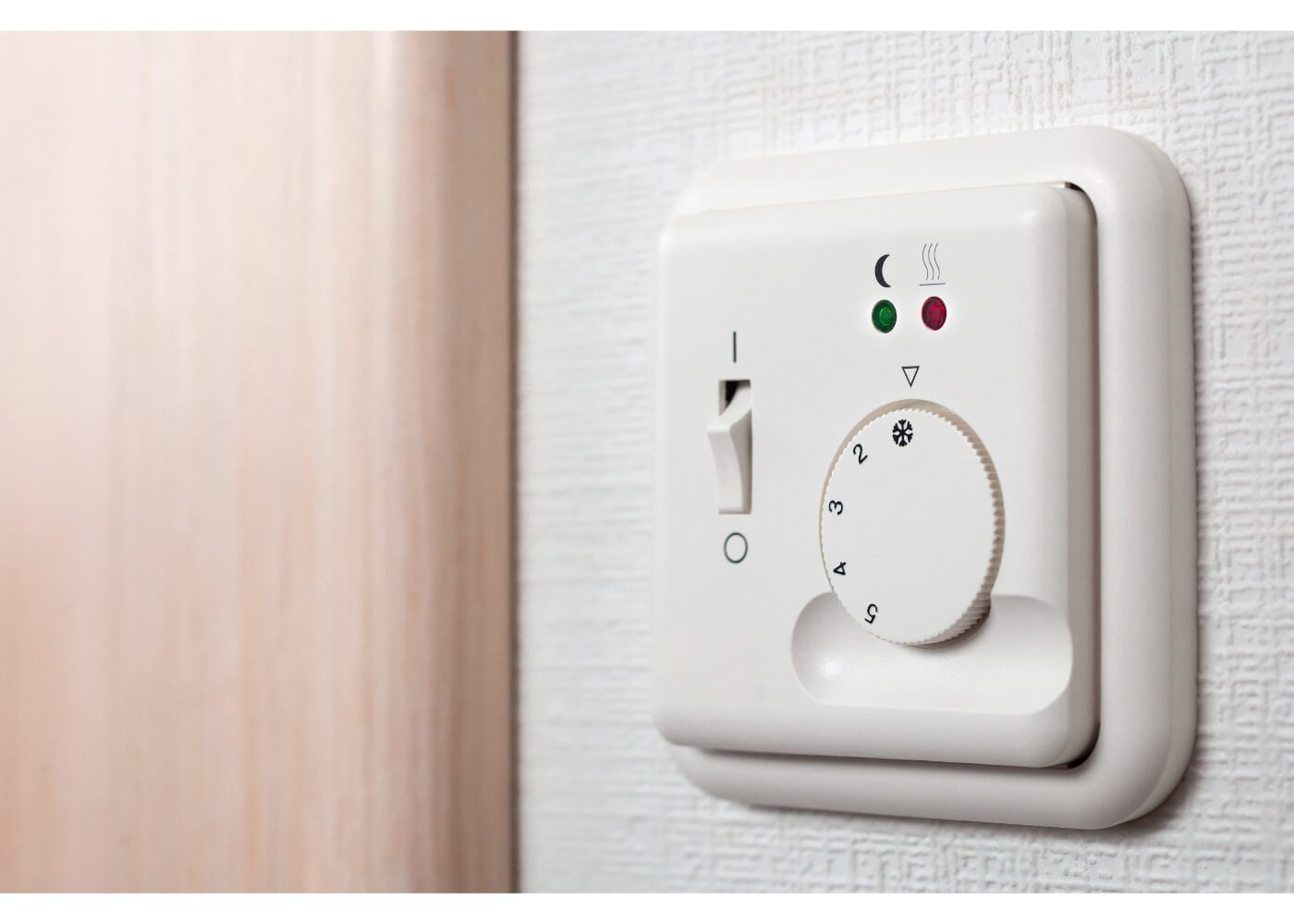
The thermostat (or controller) is central to comfort and efficiency. If it is inaccurate or poorly positioned, the unit may short-cycle, run longer than necessary, or leave areas too warm or too cool.
As a simple check, confirm the setpoint and schedule are correct, and that the sensor isn’t being influenced by direct sunlight, draughts or heat-generating equipment. If temperatures feel inconsistent from room to room, an engineer can help confirm whether it’s a control issue, an airflow problem, or a system sizing concern.
Condenser Fan
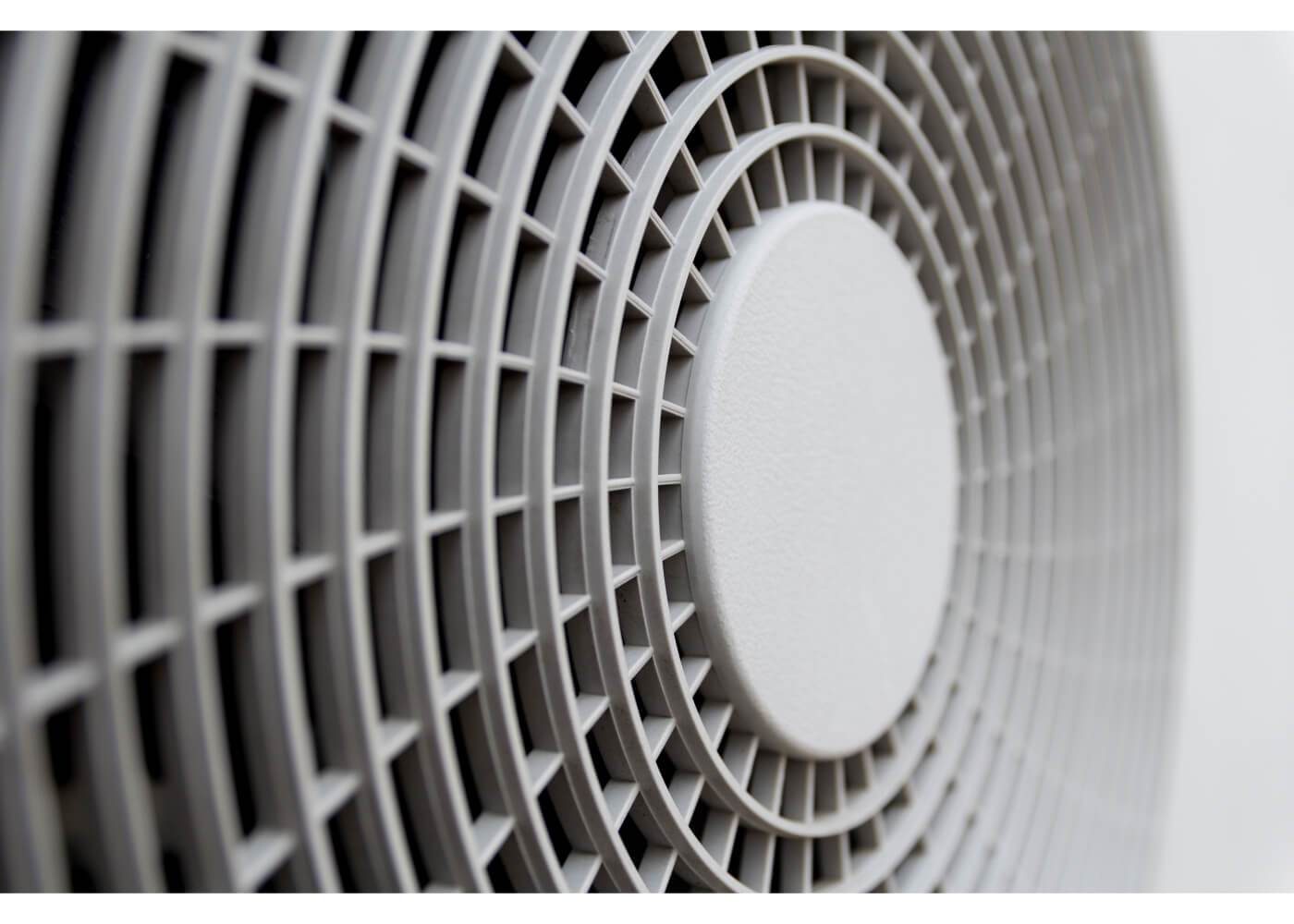
For the outdoor unit to work efficiently, the condenser fan must operate correctly. If airflow is restricted, performance can drop, and components may overheat.
With power isolated, a visual check can identify obvious damage (such as cracks or chips) and signs of rubbing or looseness. If anything looks damaged, avoid running the system and arrange replacement through a qualified engineer.
Exterior Cleaning
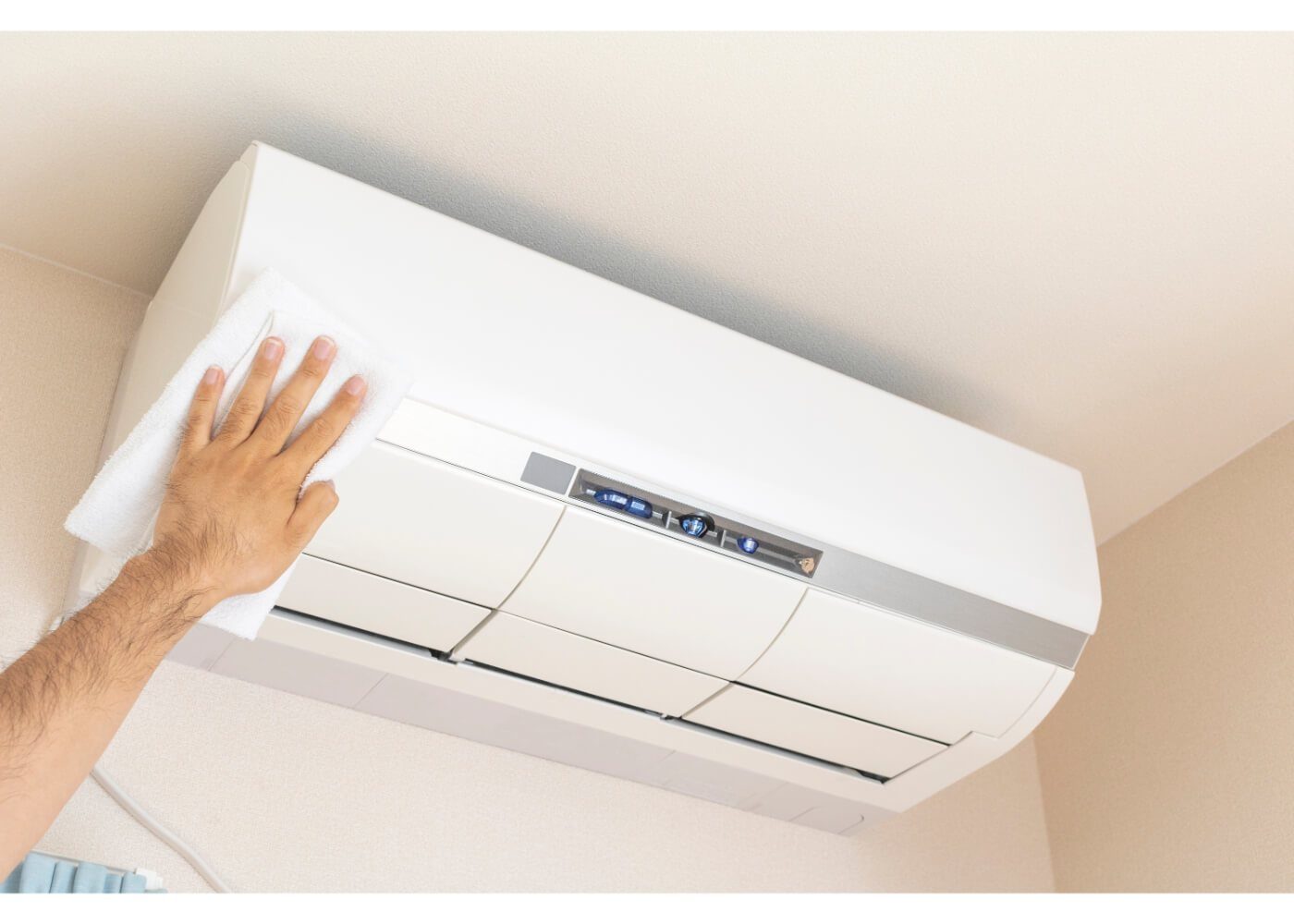
Outdoor components are exposed to weather, leaves and airborne debris. Over time, build-up can restrict airflow and reduce capacity.
Ensure the power is isolated before removing leaves and loose debris from around the unit. Cleaning should be gentle to avoid damaging fins or electrical parts, and any deeper internal cleaning is best handled by a professional, particularly where access is awkward or at height.
How often should servicing be carried out?
It depends on usage, environment and manufacturer guidance. Many workplaces use planned visits at least annually, with more frequent checks where units run daily, support critical areas, or operate in dusty environments.
Is it safe to check refrigerant levels myself?
No. Refrigerant circuits are sealed and regulated, and handling requires appropriately qualified, F-Gas certified personnel. If you suspect a leak or loss of performance, arrange a professional inspection rather than attempting a DIY top-up.
Why is my unit dripping water?
Common causes include a blocked drain line, a full drain pan, poor falls on the condensate run, or coil icing linked to airflow issues. Persistent dripping should be investigated quickly to reduce the risk of damage to finishes and furnishings.
What happens during a site survey?
A professional survey typically reviews room use, heat gains, access, pipe routes, drainage and controls, then recommends suitable equipment and placement. See our overview of what’s involved in a site survey for more details.
What’s the simplest thing I can do to keep performance steady?
Keep airflow clear: check filters, don’t block grilles, and keep the outdoor area free from leaves and clutter. If comfort is still inconsistent, it’s usually worth having an engineer check settings, drainage and component condition.
Prolonging the life of your system and preventing costly repairs starts with a regular, thorough maintenance routine. A well-maintained setup can reduce running costs, help avoid unnecessary repairs, and keep air quality consistently high.
If you’d like a qualified engineer to check performance, hygiene and safety, you can contact our team. We support homes and businesses across the South West with practical advice, clear recommendations and professional installation and maintenance where needed.