
The Benefits of Commercial Air Conditioning
Quick Summary
This guide is for Business owners, facilities managers, and teams who want a more comfortable indoor environment for staff and visitors.
What it covers: Practical, real-world advantages of installing a suitable cooling system in workplaces, shops, showrooms, and other commercial settings.
Key takeaways: Comfort supports performance, stable conditions can protect equipment, and modern systems can improve air cleanliness when properly installed and maintained.
Bristol & South West Context
In Bristol and across the South West, warmer summer spells can feel more intense in modern, well-insulated buildings that hold heat. You’ll also see a mix of older stock (including period properties and conversions) where access, condensate drainage routes, and outdoor unit placement can take more thought. If you’re unsure what’s realistic for your building, start with a professional assessment rather than guesswork.
Have you ever worked in a space that’s uncomfortably hot in summer, to the point you feel distracted and unable to focus? Or perhaps you manage a shop, showroom, or office where heat affects both staff and customers. A well-designed system can make a noticeable difference in many workplaces. If you’re exploring options, our range of services covers design, installation, and ongoing support.
UK weather can be unpredictable, but when warmer periods arrive, indoor temperatures can climb quickly, especially during prolonged hot spells. Many buildings are designed to retain heat (for example, with good insulation and modern glazing), which is great in winter but can lead to overheating in summer. A correctly selected solution helps you maintain a more consistent indoor temperature throughout the year. Many modern units also include filtration that can help reduce airborne dust and some allergens, provided filters are kept clean and changed as recommended.
When you run a business, every decision is weighed against cost and value. While installation is an upfront investment, the long-term benefits often come from improved comfort, better control, and fewer temperature-related disruptions. For an idea of what’s possible in your premises, you can view our commercial installation options.
Here are some of the most common benefits associated with installing a suitable system in a commercial setting:
1. Temperature
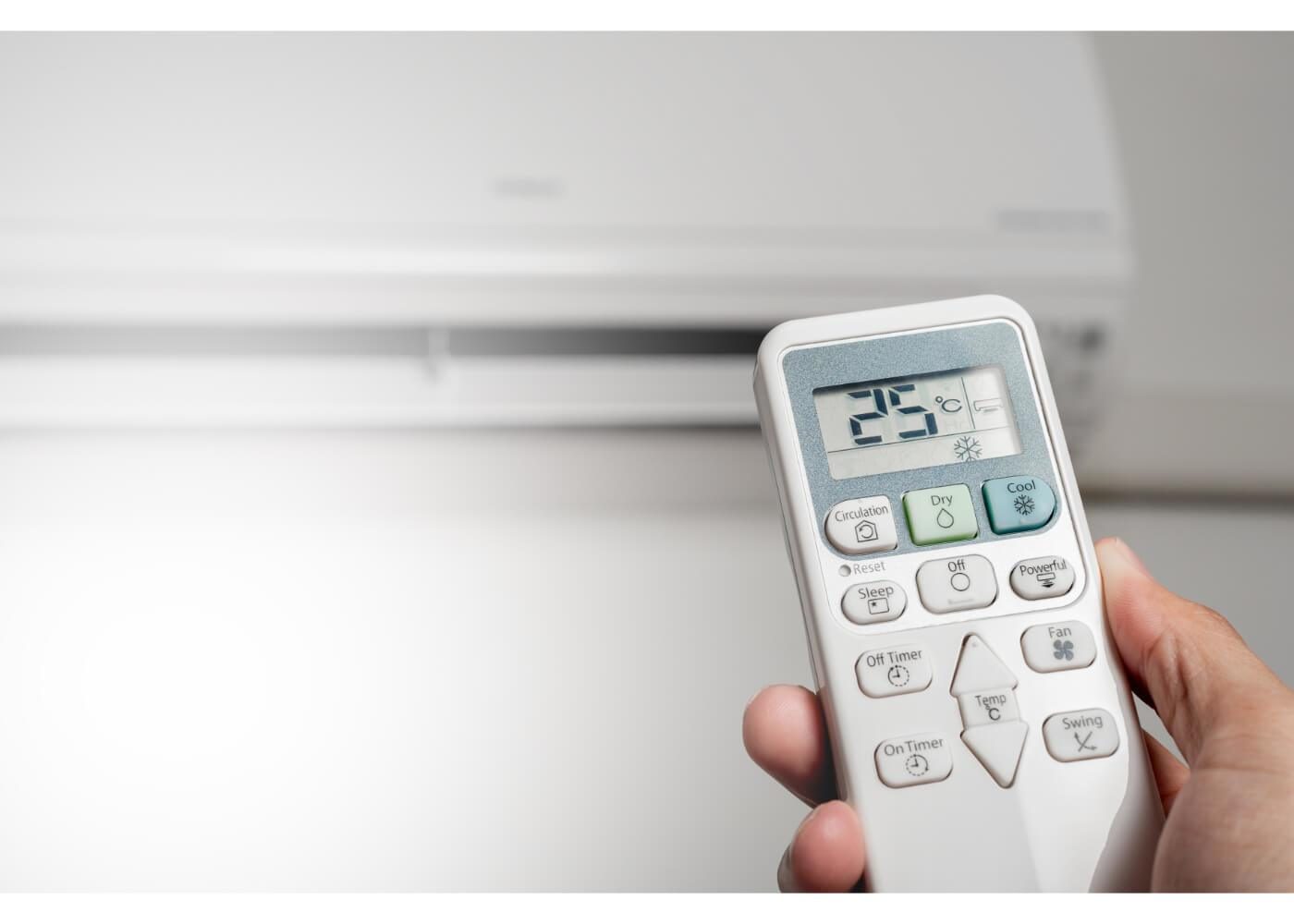
One of the main advantages is temperature regulation. In busy workplaces with equipment, people, and lighting, heat can build up quickly and become uncomfortable, increasing the risk of fatigue. A correctly sized setup helps keep conditions steadier, supporting comfort throughout the day. This should sit alongside sensible workplace measures such as access to drinking water, breaks, and good ventilation where appropriate.
2. Increased Productivity
Being too hot (or too cold) can affect concentration and output. When people are comfortable, it’s generally easier to stay focused and work efficiently. Reliable temperature control can help support consistent performance, particularly during warmer days when indoor heat would otherwise peak.
3. Noise
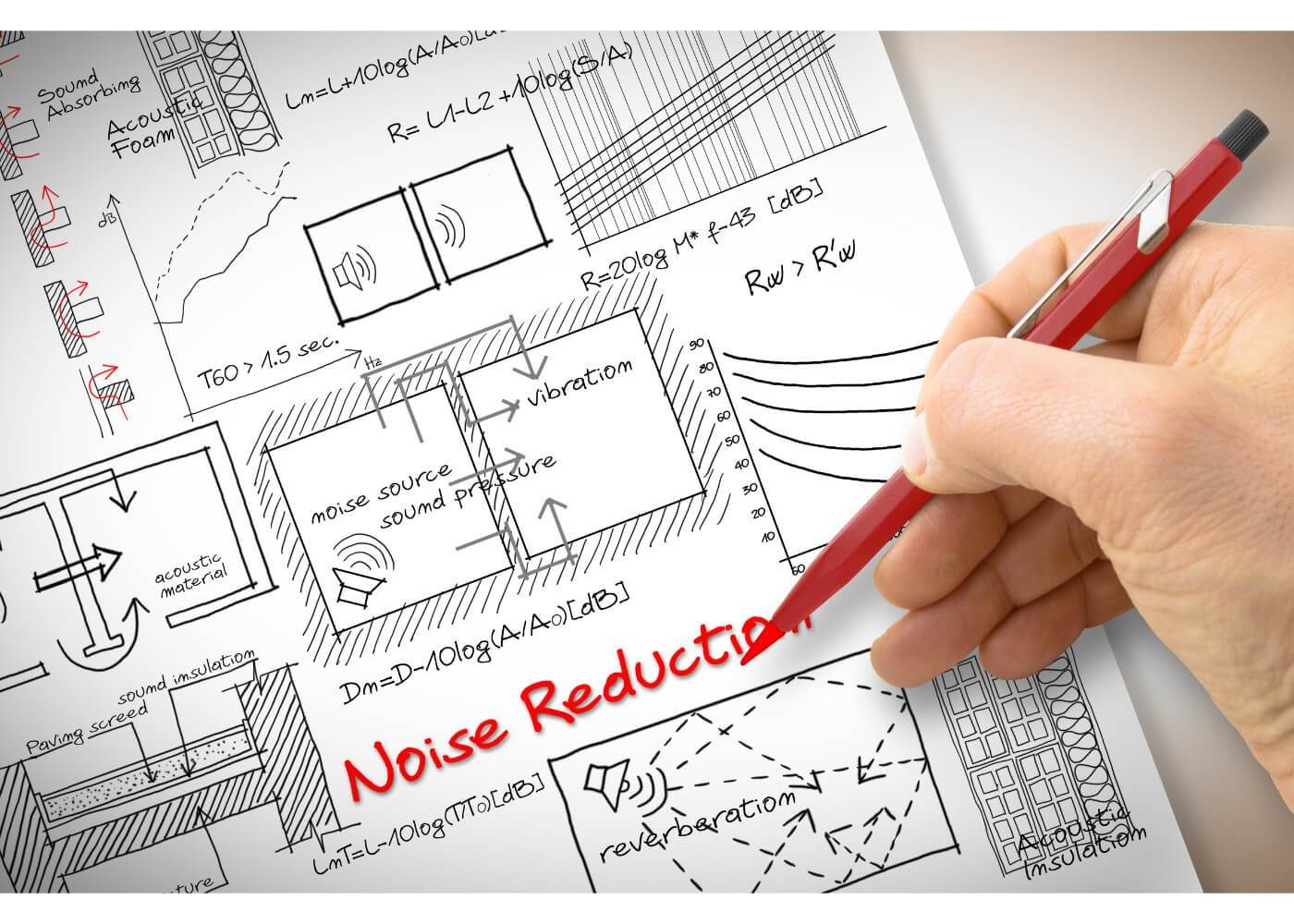
Many modern units are designed to run quietly. When equipment is selected and installed properly, it shouldn’t be a distraction and can be a positive addition to the working environment, especially compared with the noise and disruption of open doors and windows on a busy street.
4. Technology
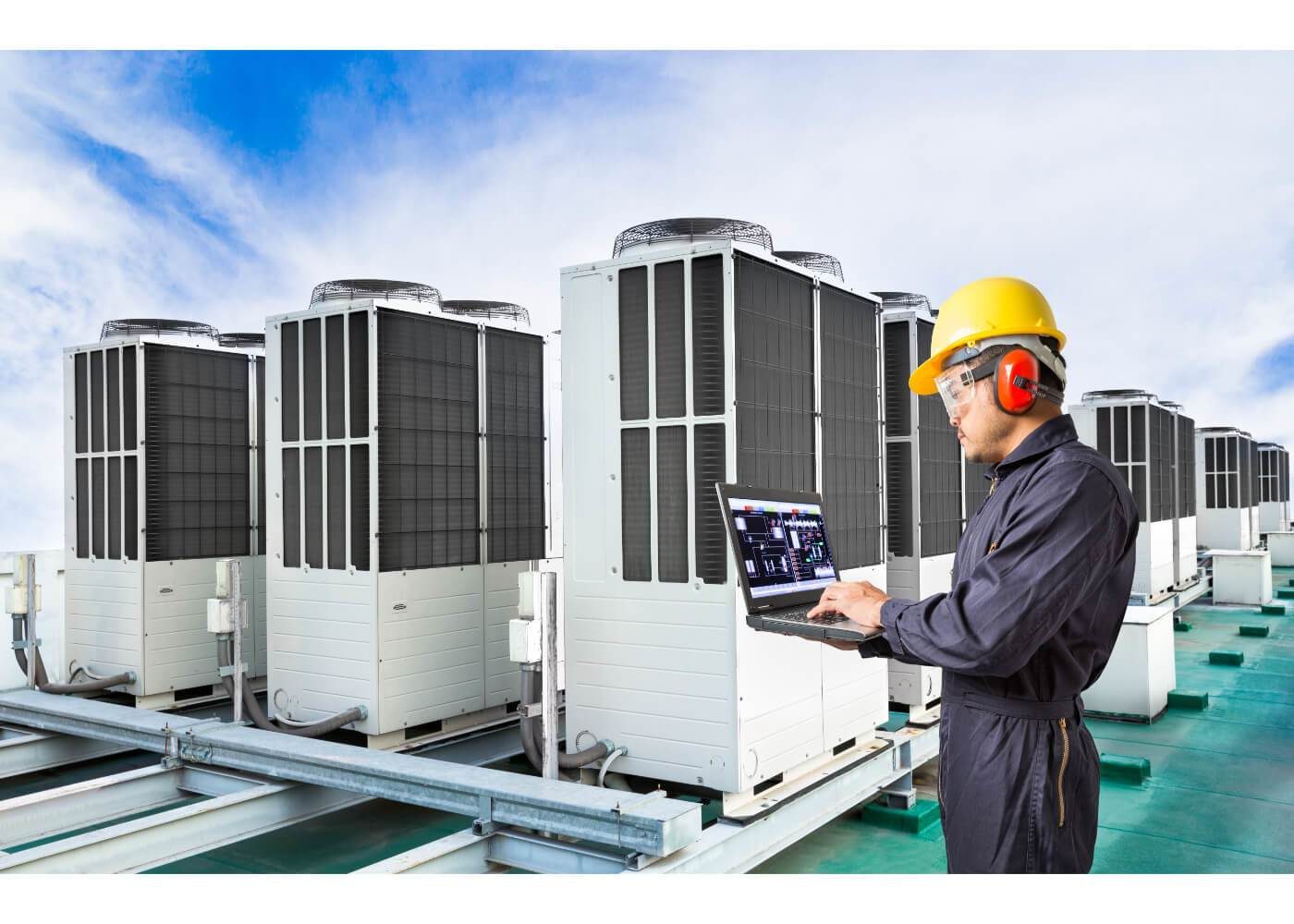
As businesses rely on more technology, stable temperatures can help reduce the risk of heat-related issues for sensitive equipment. It won’t eliminate faults, but it can support more predictable operating conditions. If you’d like a qualified engineer to assess your layout, heat loads, and practical constraints, our guide to an air conditioning site survey explains what’s typically involved.
5. Health and Well-being
Installation isn’t only about maintaining a consistent temperature. Many systems include air filters that can help reduce airborne particles such as dust and some allergens, which may improve perceived air freshness in occupied spaces. For this to remain effective, filters must be cleaned or replaced on schedule, and any unusual smells, icing, or loss of performance should be checked promptly by a qualified engineer. Regular servicing also supports safe operation where refrigerants are involved-avoid DIY work on sealed refrigerant circuits.
6. Increased Security
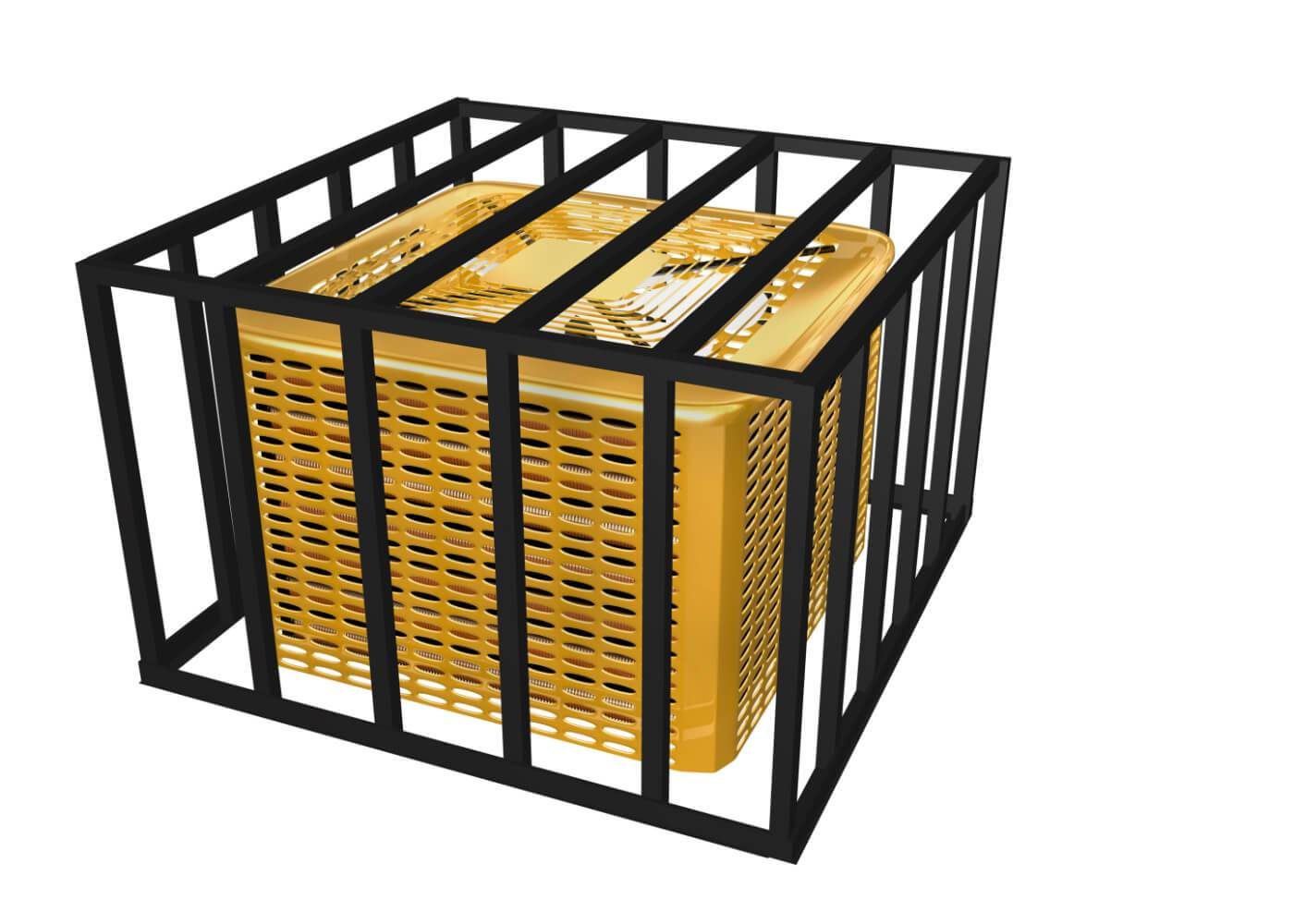
Keeping windows wide open during summer can increase security risks, particularly if you store stock, tools, or valuable equipment. With a properly designed solution, you may be able to keep doors and windows closed more often, reducing the chance of something being missed at closing time. This can also support privacy and help reduce the risk of opportunistic access to offices or back-of-house areas.
7. Better Impressions
If you host meetings, client visits, or events, comfort matters. When a room feels fresh and stable, people are more likely to stay engaged and leave with a better overall impression of your business.
8. Energy Efficiency
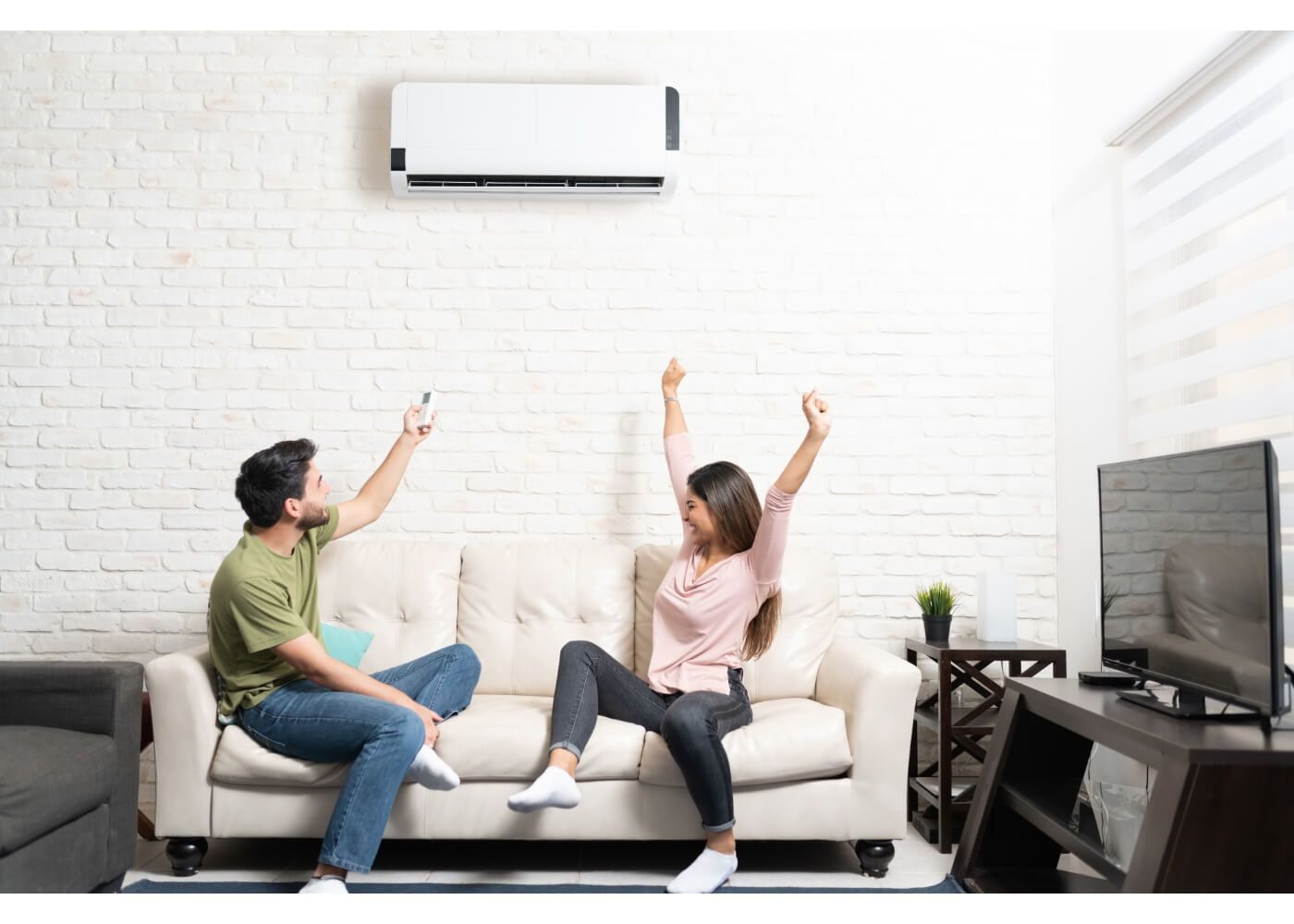
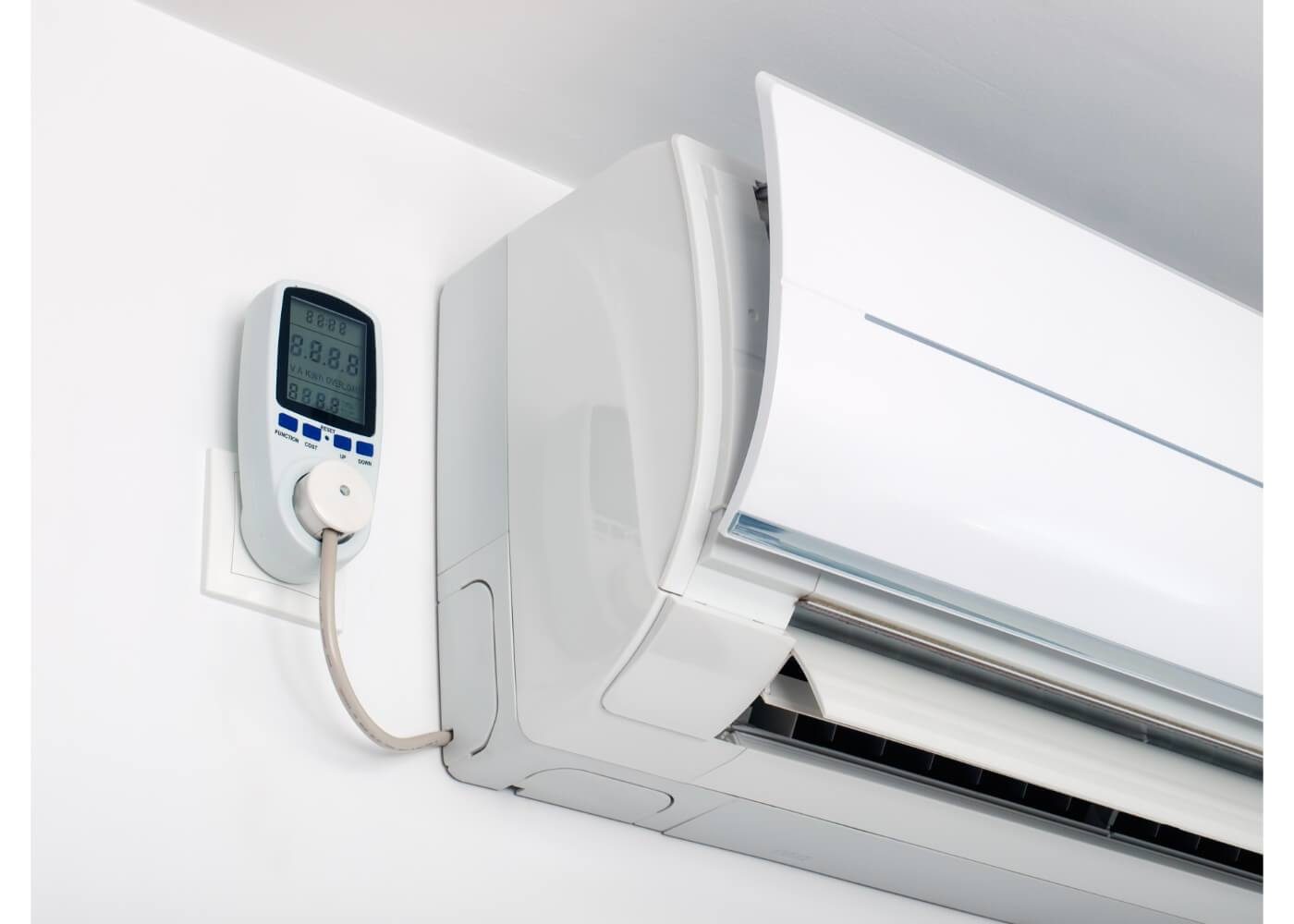
Systems have evolved to suit a wide range of commercial needs, from smaller split setups to larger multi-zone solutions such as VRF/VRV. With appropriate controls and correct sizing, many modern units can operate efficiently and avoid unnecessary overcooling. If you’re focused on running costs, this guide on reducing energy use in commercial settings explains practical steps that can help.
9. Reduced Humidity
In summer, humidity can make indoor spaces feel warmer and more uncomfortable. Many systems help remove some moisture from the air as part of normal operation, which can improve comfort. If you notice persistent condensation, damp patches, or a musty smell, it’s worth investigating ventilation and drainage routes as well as the unit’s condition.
10. Insects
Another drawback of leaving doors and windows open is unwelcome visitors such as flies and wasps, particularly problematic for food-based businesses. Keeping openings closed more often can help, without leaving the space stifling. If you operate in a setting with strict hygiene requirements, it’s sensible to plan airflow and fresh-air needs carefully so comfort and compliance work together.
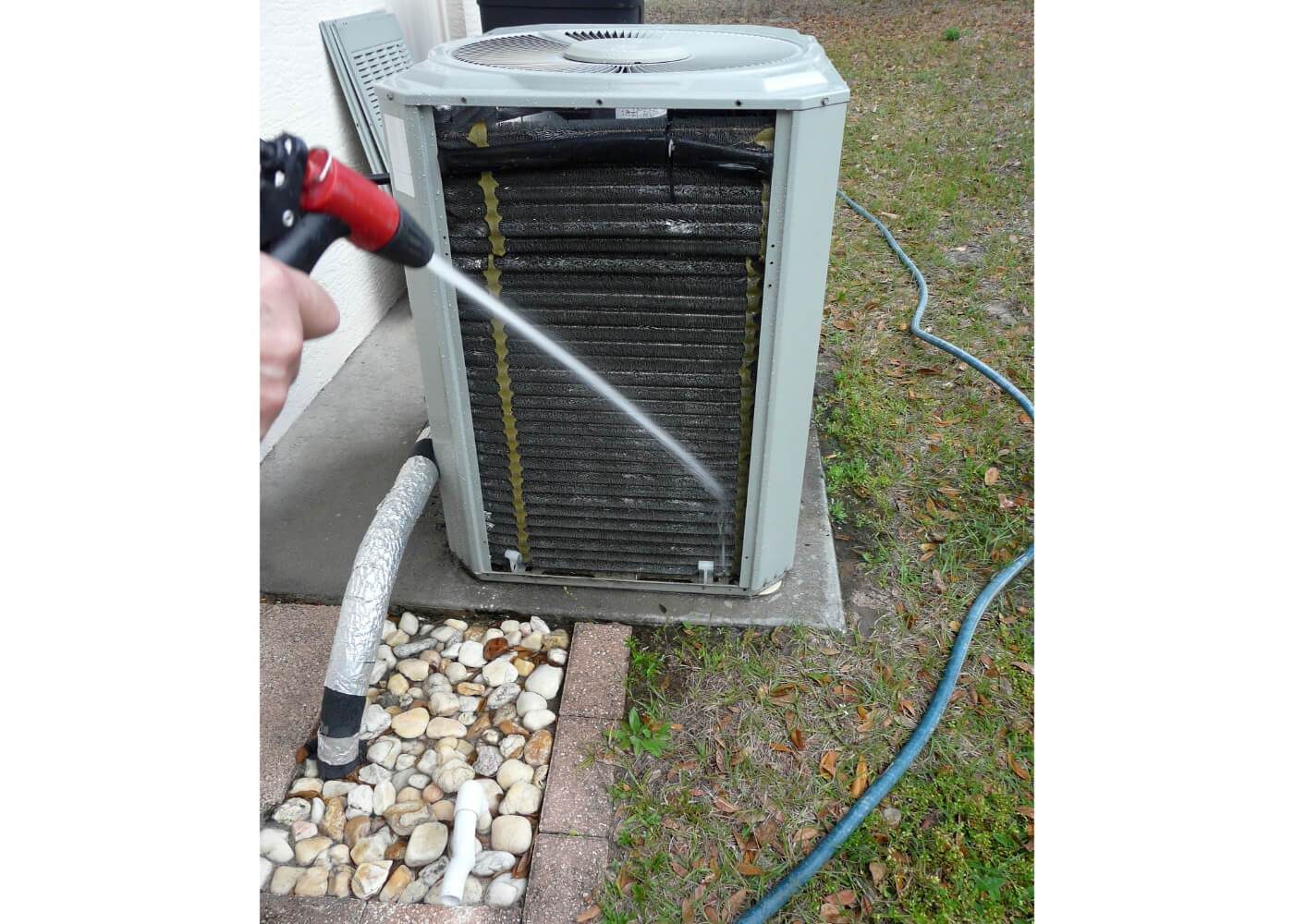
Commercial systems can be designed around how your business actually uses each area, directing airflow where it’s needed and helping maintain steadier conditions through the day. When comfort is consistent, teams tend to work better, and customers are more likely to linger. To keep performance reliable, planned servicing matters; our service and maintenance support can help you stay on top of filters, drainage, control, and safe operation.
FAQs
Do I need to service a system every year?
Many manufacturers recommend regular servicing to keep efficiency and reliability on track. How often you need it depends on usage, environment (for example, dusty areas), and the type of unit. A professional inspection is also important for safe handling where refrigerants are involved.
Can it help with stuffy rooms as well as heat?
Temperature control can improve comfort, but “stuffy” often relates to ventilation and air movement. Depending on the building and occupancy, you may need a combination of cooling and appropriate ventilation to maintain fresh conditions.
Will it be noisy?
Noise levels vary by model and installation approach. Good design considers both indoor and outdoor sound, positioning, and mounting. If noise is a concern, it should be discussed at the survey stage so the specification matches your space.
What if my unit is dripping water?
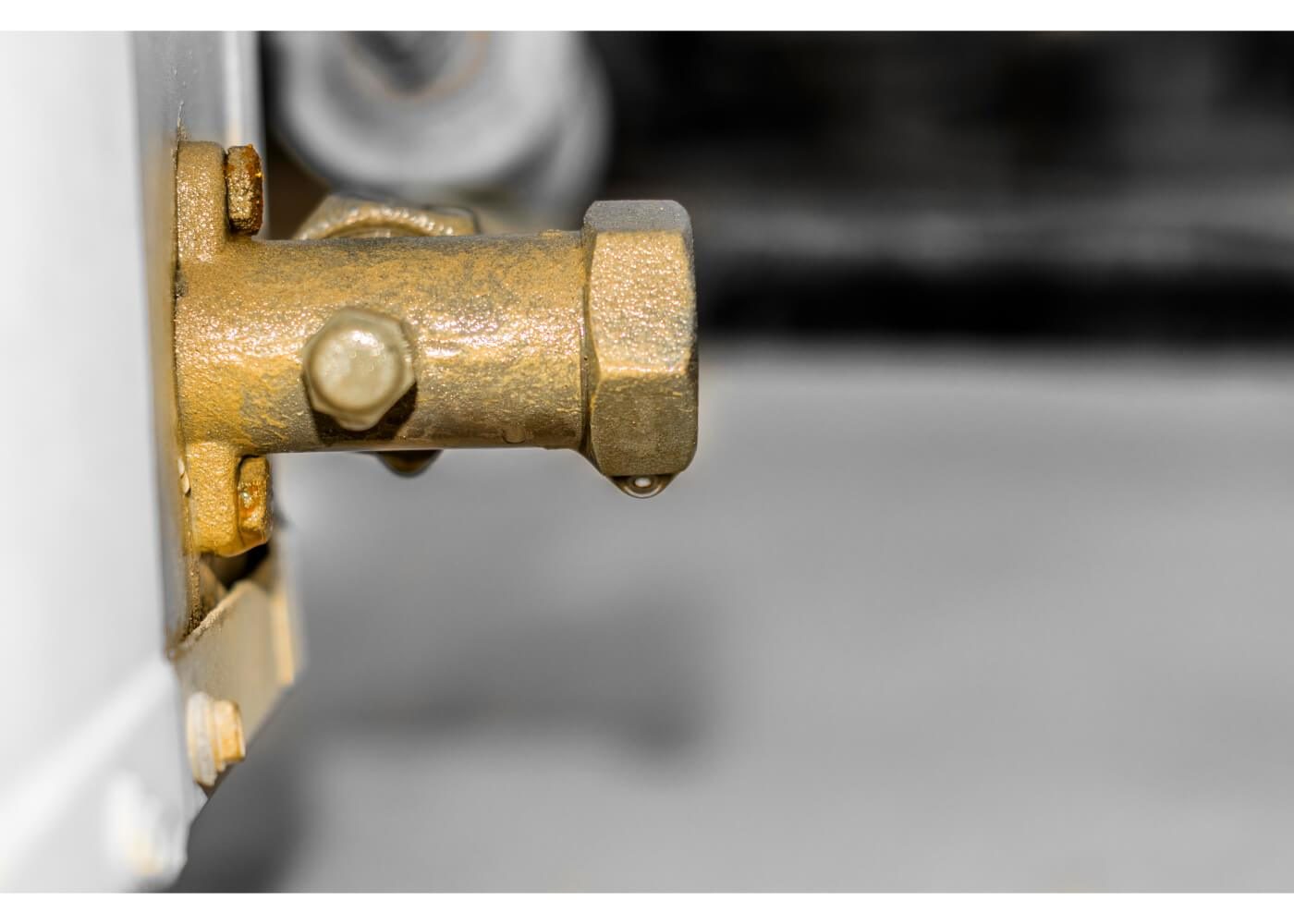
Water issues can be linked to condensate drainage, blocked filters, installation faults, or freezing/defrost cycles. If you spot leaks, switch off if safe to do so and arrange a professional check to avoid damage to finishes and electrics.
What’s the best next step if I’m not sure what I need?
A site survey is usually the safest way to avoid oversizing, undersizing, or impractical placement. If you’d like help, you can read what other customers say on our reviews page and then get in touch for straightforward advice and a clear, no-pressure next step.
Working with a qualified engineer
For commercial premises, safe installation and servicing should be carried out by competent, qualified engineers, following good practice and relevant UK requirements (including appropriate F-Gas compliance where refrigerants are handled). If anything feels unclear-noise, drainage routes, access, or where equipment can be placed-get professional guidance before you commit.