
Considerations Before Installing Air Conditioning
We all like to live in a comfortable climate, whether it’s in the depths of winter or the height of summer. In colder months, central heating keeps most properties warm, but many buildings still struggle when temperatures rise. If you’ve been considering installing a cooling system, there are several practical points worth thinking through first, and we explore the most important ones in this guide.
Quick summary
Who this guide is for: Homeowners, landlords and businesses weighing up whether a new system is the right fit for their property.
What it covers: Sizing, airflow, ducting, running costs, installation considerations, comfort and indoor air quality, plus common questions.
Key takeaways: Correct sizing and placement matter as much as the equipment itself; installation should be completed by qualified engineers; and ongoing servicing protects performance, efficiency and reliability.
Local context for Bristol & the South West
Properties across Bristol and the wider South West range from modern flats and offices to older terraces, stone buildings and conversions. That mix can affect heat gain, insulation levels, usable wall space, and where outdoor equipment can be positioned without causing a nuisance.
The region’s weather is often mild but can feel humid, and some rooms (especially loft conversions, south-facing spaces and busy commercial areas) can overheat quickly. It’s also worth being mindful of neighbours and noise where outdoor equipment is close to boundaries or courtyards.
If you’re unsure whether external equipment is likely to raise planning questions (for example, listed buildings or conservation areas), take a cautious approach and check early. Our guide on planning considerations for AC installations in the UK explains the typical steps and when you may need to speak to your local authority.
Size of the Unit
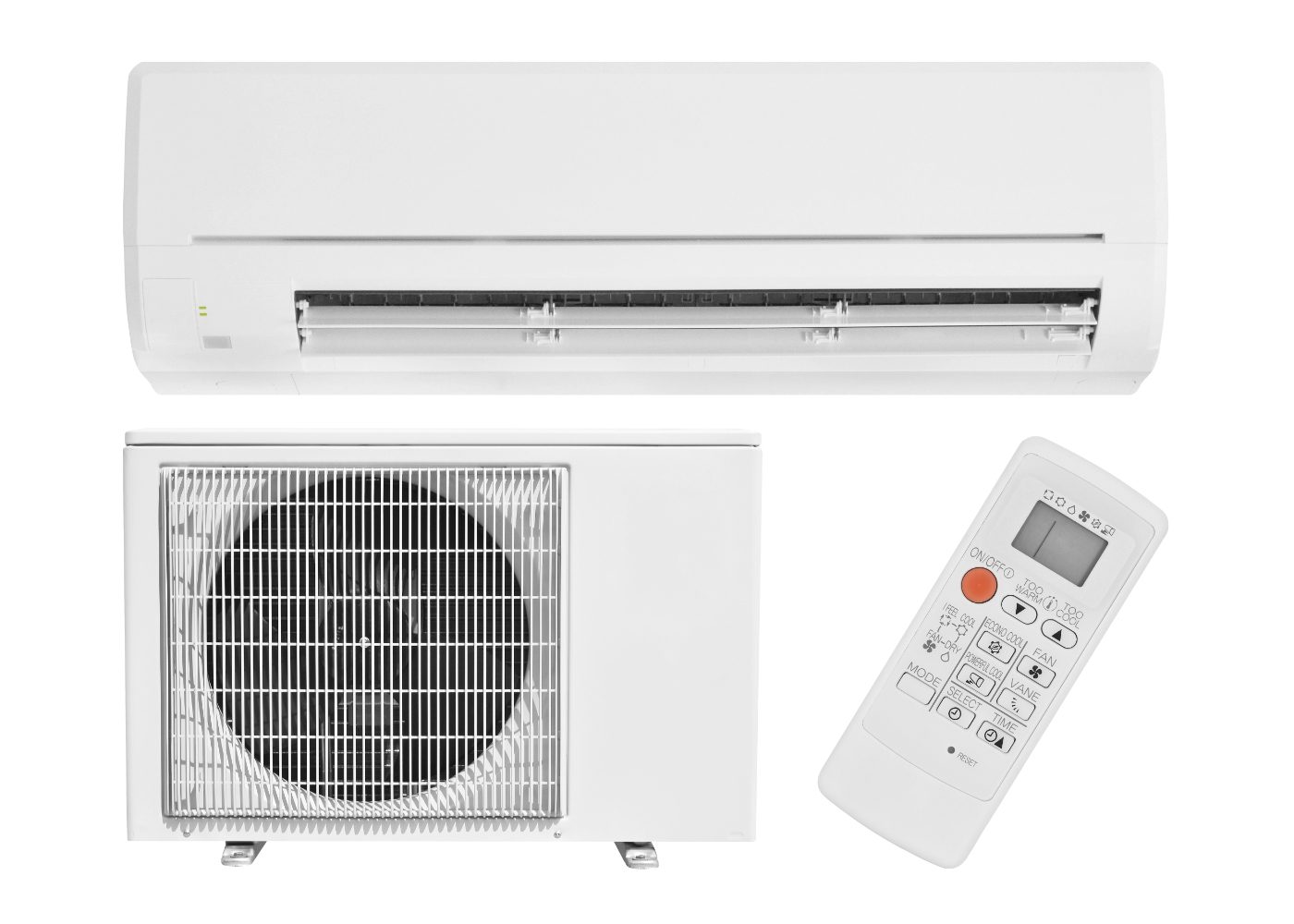
When choosing a unit for your property, it needs to be correctly sized. A reputable installer will complete a proper assessment and calculate what capacity you need, taking account of room sizes, layout, insulation, glazing and typical usage.
If a unit is oversized, it may cool too quickly and not run long enough to manage moisture effectively, which can leave the air feeling clammy. If it’s undersized, it may run for long periods, struggle in hotter weather and increase running costs. If you’d like a qualified engineer to sense-check capacity before you commit, we can help with a structured assessment as part of our site survey process.
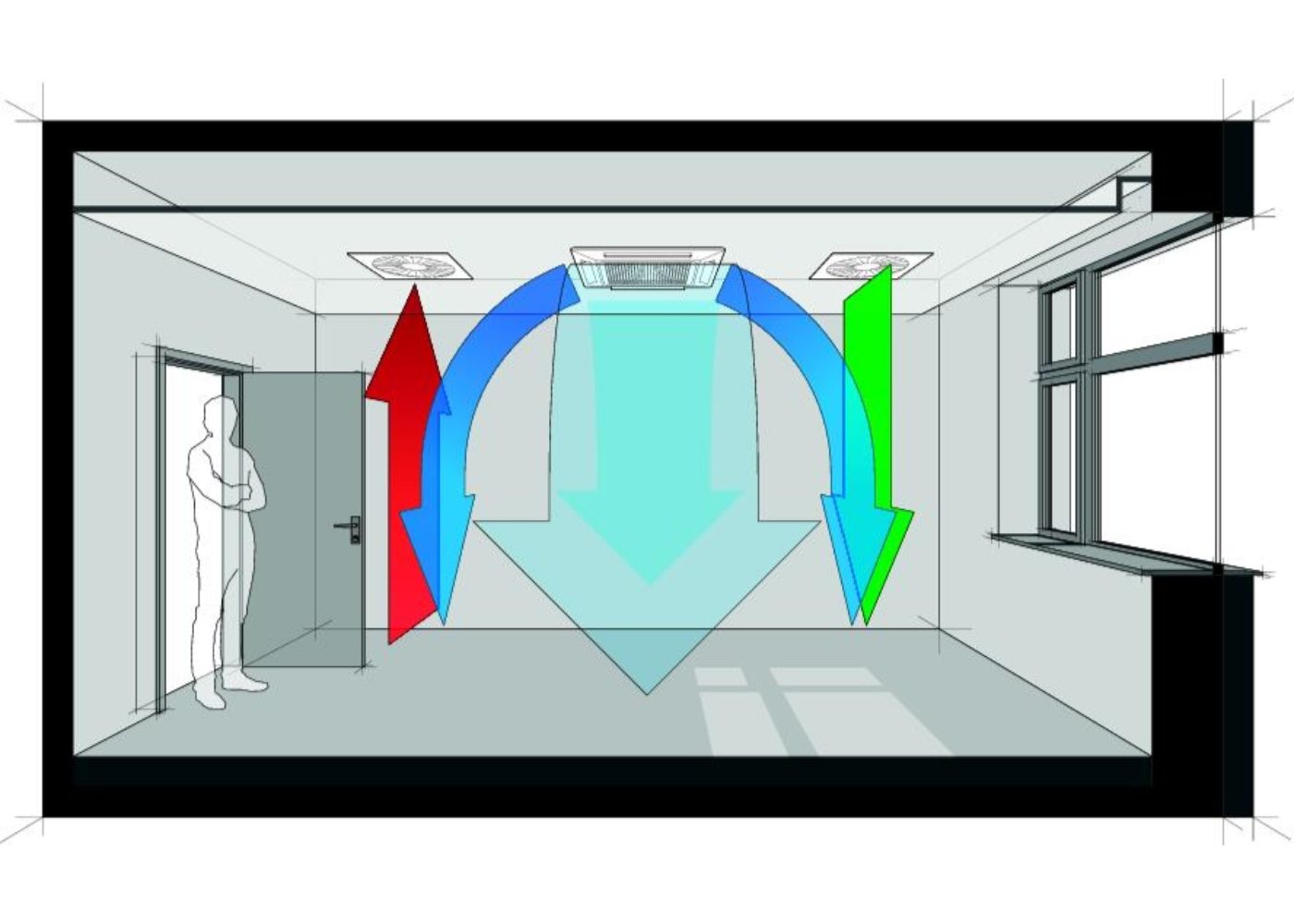
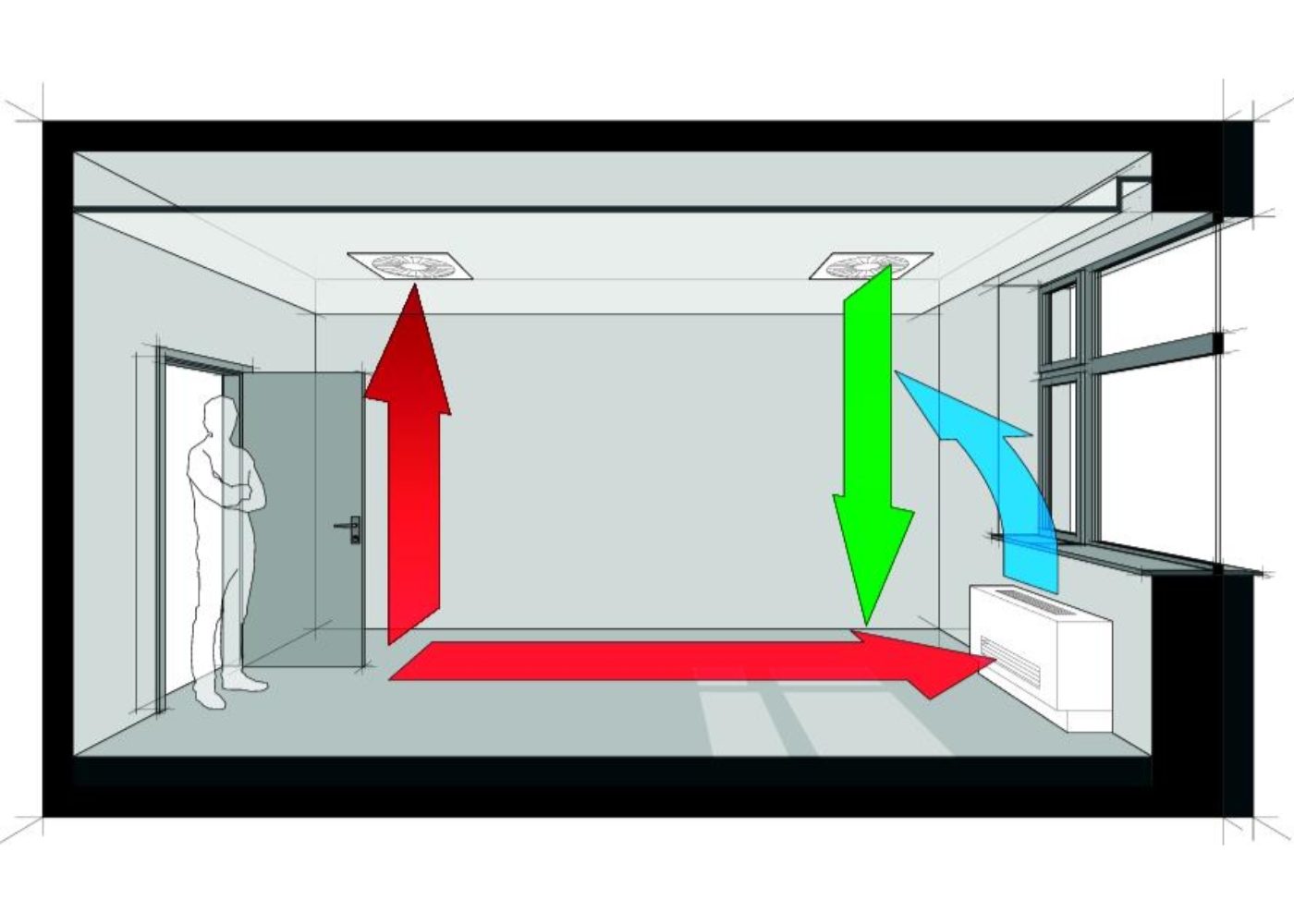
Comfort also depends on air movement. Most systems allow the airflow to be adjusted, which helps reduce hot spots and improves how the space feels day to day.
Ductwork
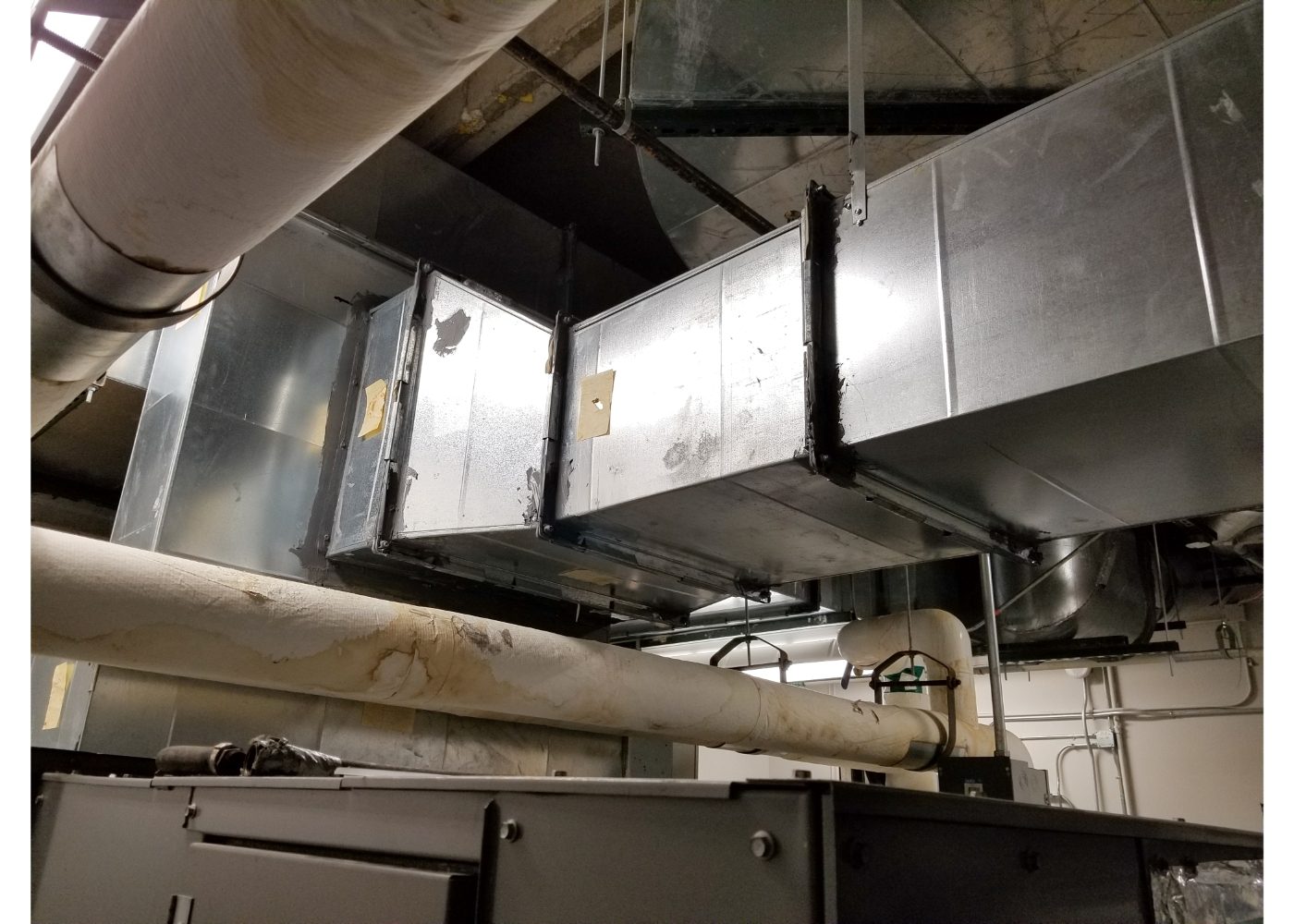
Good ductwork is essential where a ducted system is used. Poor design or installation can lead to air leaks, uneven temperatures and reduced efficiency. In some homes, older ducting may also be undersized or poorly insulated, which can make it harder to deliver the right comfort levels.
If ducting is in a loft or void, any leaks can waste a noticeable amount of conditioned air into unoccupied spaces. Depending on the condition and accessibility, it may be more sensible to refurbish or replace sections rather than attempt repeated repairs. A competent installer should check the whole run, confirm sealing, and verify that the airflow is balanced correctly across the rooms.
Airflow
To work properly, a cooling system needs the right volume of air moving through it. Manufacturers provide guidance on airflow targets, and a reputable installer will set up the fan speeds and air distribution to match the equipment and the space.
In practical terms, this helps the system maintain a steady temperature, reduces draughts, and supports effective moisture control. If airflow isn’t set correctly, you may see uneven comfort, higher noise levels or reduced performance.
Cost
Budget matters, but it’s usually worth looking beyond the upfront price. Higher-quality equipment can be more economical over time, particularly when it’s correctly sized and installed, and when it is maintained properly. Your installer should help you compare options based on how you’ll actually use the rooms, not just the headline cost.
If you want a clearer view of likely running costs for your situation, we can talk you through the factors that make the biggest difference during a survey.

Quality
Price isn’t the only signal of quality, but build standard, parts availability and manufacturer support can all affect how well a unit performs over its life. Choosing a robust model can reduce downtime and help protect long-term value, especially in higher-use settings such as workplaces and customer-facing premises.
If you’d like help selecting equipment that suits your room use, noise expectations and layout, our team can advise as part of home installation options or commercial installation support.
Energy
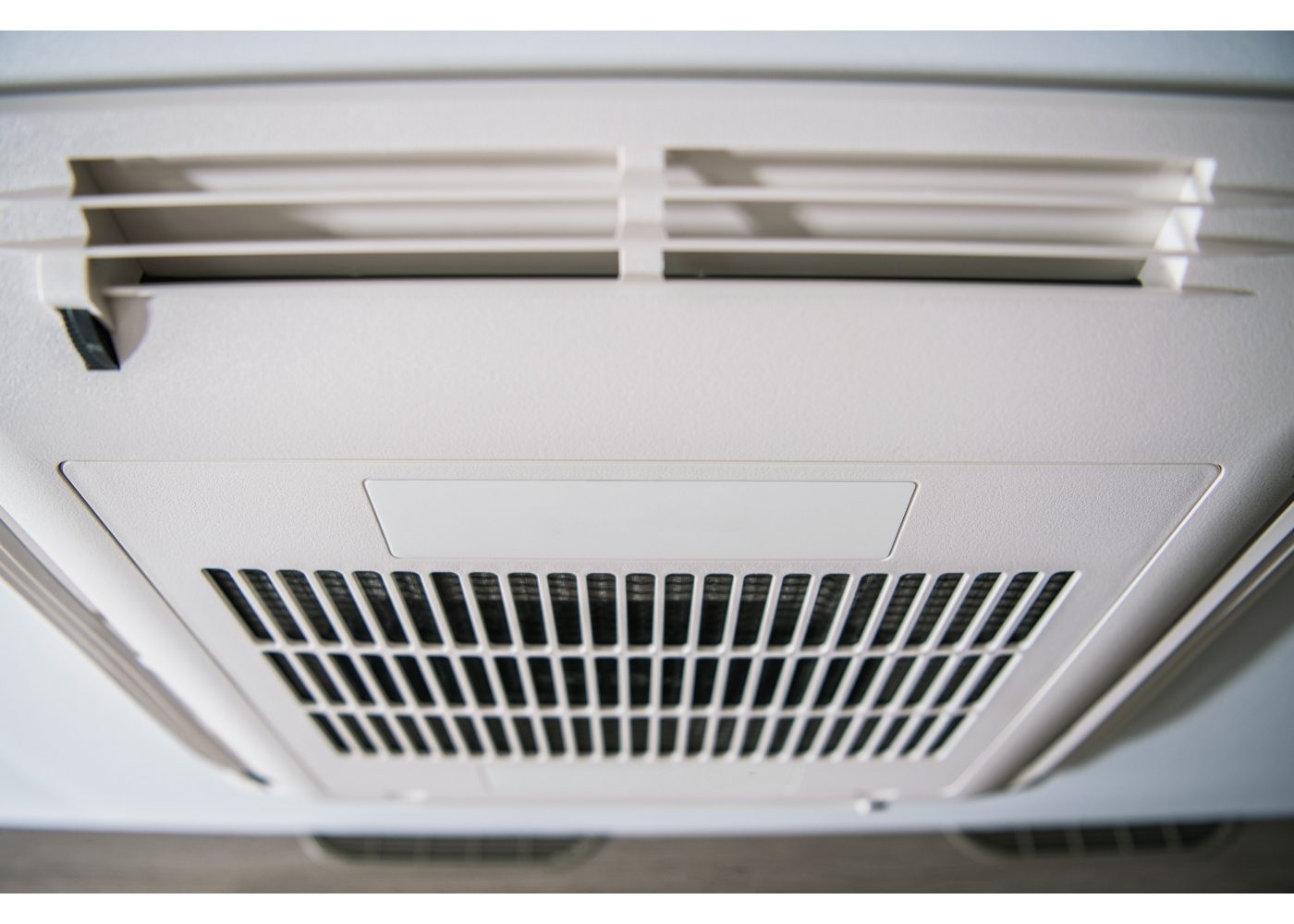
Running costs are a key consideration. Choosing an efficient unit, using sensible temperature set-points, and taking advantage of features such as programmable controls and variable fan speeds can all help manage consumption while maintaining comfort.
Efficiency also depends on installation quality and upkeep. Dirty filters, blocked outdoor coils, low refrigerant charge or poor airflow can all push costs up. Regular checks help protect performance, which is why many clients opt for routine servicing and maintenance once a unit is in place.
Air Quality
If you have specific requirements around air quality – for example, allergies, asthma, odours or high occupancy – talk this through before installation. Filtration choice, airflow setup and how the system is maintained all influence how the space feels.
It’s also important to remember that cooling is not the same as ventilation. Some properties may need separate ventilation measures to manage fresh air and humidity effectively. If you’re not sure what’s appropriate for your building, ask your installer to explain the options in plain terms.
Durability
Once installed, you want confidence that your unit will last. Durability is influenced by build quality, correct sizing, correct siting, and how well it is looked after.
Even well-made equipment can fail early if filters are neglected, airflow is restricted or condensate can’t drain correctly. A simple maintenance plan, plus prompt attention to unusual noise, odours or leaks, can help avoid bigger problems later.
Installation
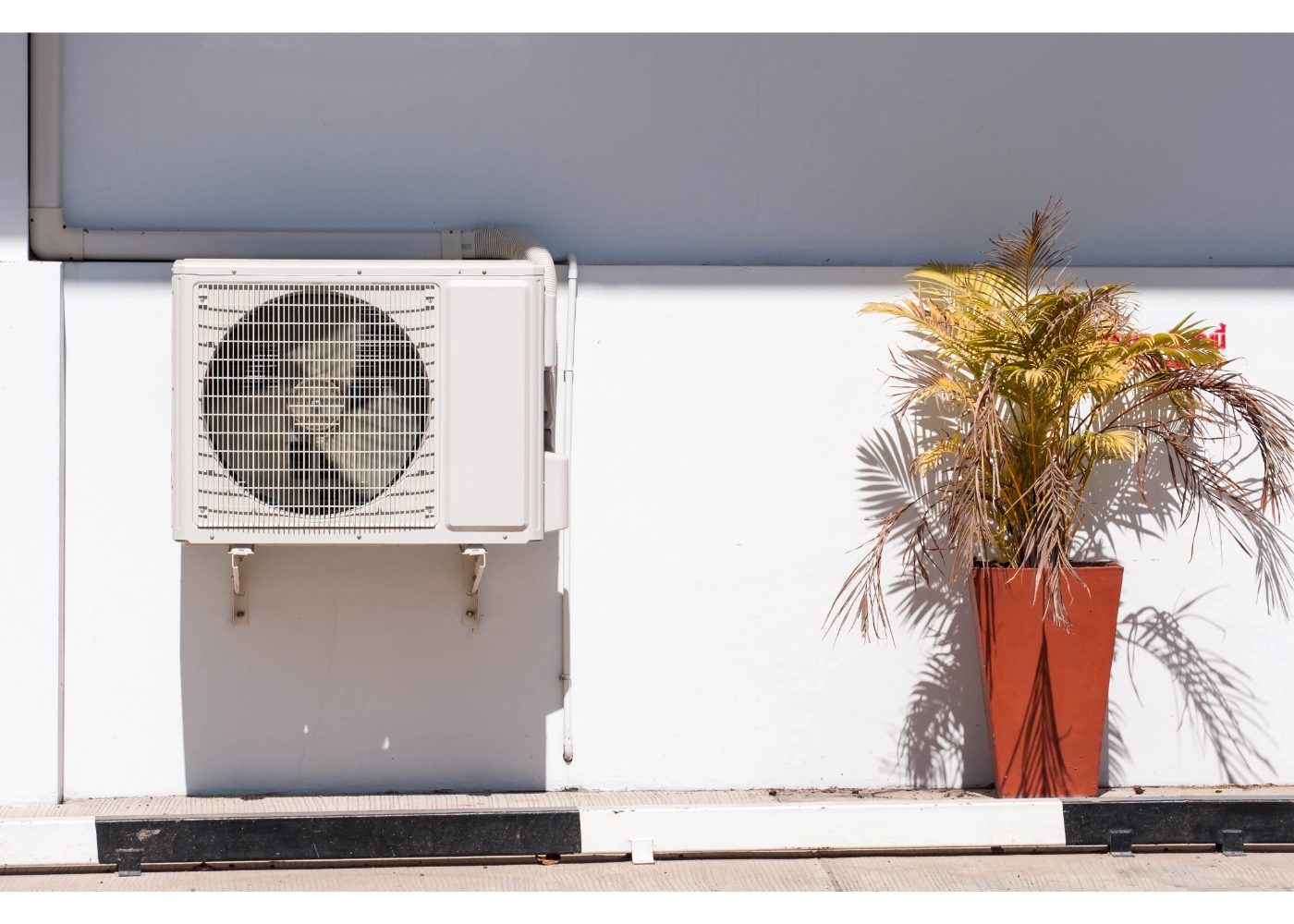
Installation locations should be carefully considered. Indoor units need sensible positioning for comfort and access, while outdoor equipment should have clear airflow and enough space to operate efficiently. If a condenser is placed in direct sun or in a confined area without adequate airflow, it can work harder than necessary and may struggle in hotter conditions.
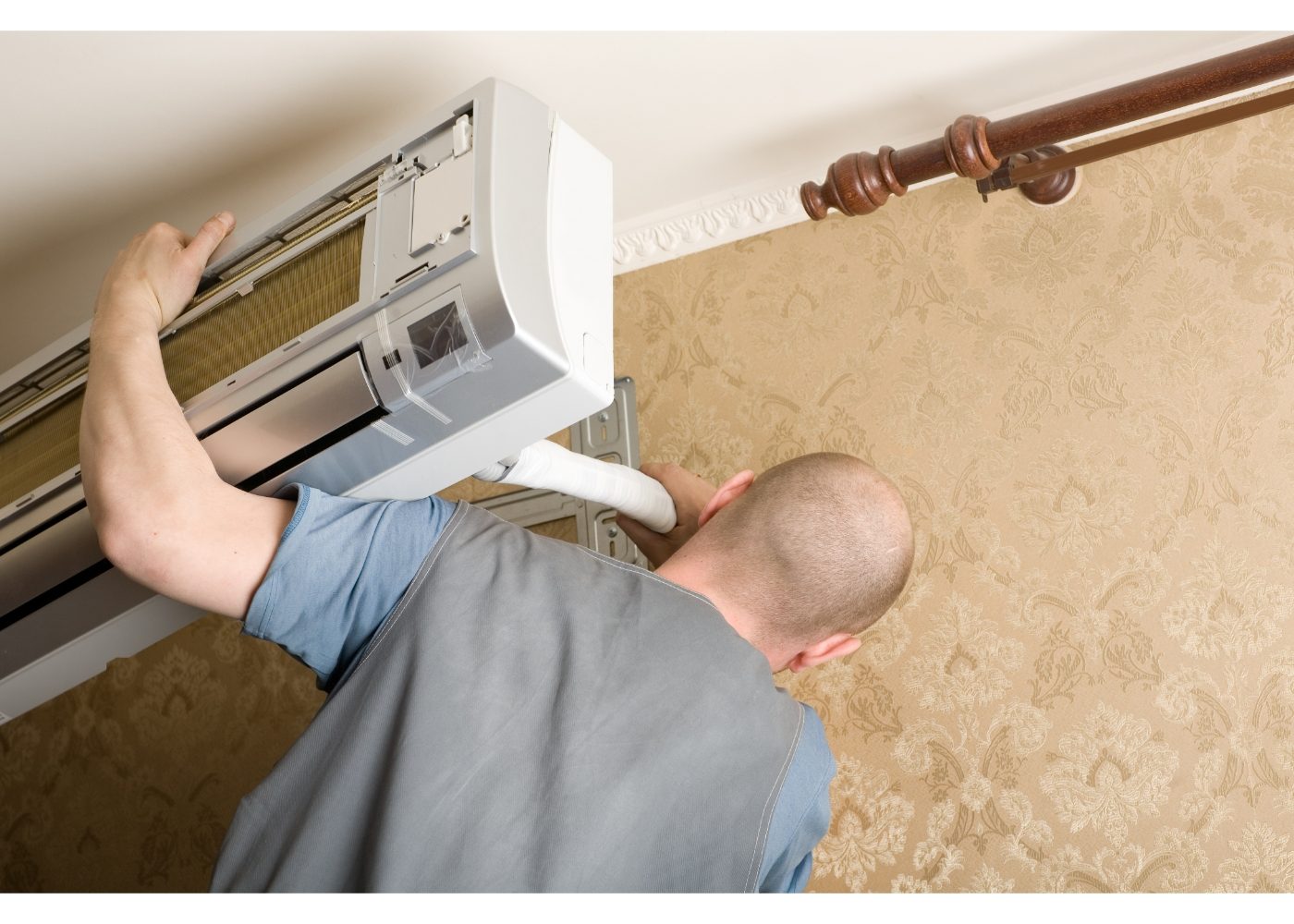
Practical details matter too: condensate drainage needs a safe route; pipework should be protected and neatly run; electrical connections must be completed safely; and any work involving refrigerant must be carried out by appropriately qualified engineers. If anything feels unclear or risky, it’s best to pause and ask for professional advice rather than guessing.
When you’re ready to take the next step, a structured survey is the safest way to confirm what will work in your building. We support homes and businesses across Bristol and the South West with clear guidance, compliant installation, and ongoing care.
FAQs
Do I need planning permission?
It depends on the property type and where equipment will be placed. Listed buildings, conservation areas and some external locations can need extra checks. If you’re unsure, start with our planning considerations guide and confirm with your local authority before work begins.
How long does installation typically take?
Timescales vary based on access, pipe runs, electrical work and whether more than one room is involved. A survey will let an engineer give a realistic programme for your specific site.
Will it be noisy?
Modern systems are usually designed to be quiet, but perceived noise depends on unit selection, mounting method, room acoustics and where the outdoor unit is positioned. If noise is a concern, ask your installer to discuss options during the design stage.
How often should it be serviced?
Usage and environment matter: higher-use sites and dusty areas typically need more frequent checks. As a baseline, routine professional servicing helps maintain efficiency, reliability and hygiene, alongside simple user tasks like keeping filters clean where the manufacturer allows.
What should I do if there’s water dripping or a leak?
Turn the unit off if it’s safe to do so and avoid using electrics near any water. Drips are often related to condensate drainage or airflow issues, but refrigerant handling must only be done by qualified engineers. If you need support, we can advise during a visit and follow safe procedures.
When it comes to installing a system for your home or business, there are a lot of things to think about, from running costs and comfort through to reliability and indoor air quality. If you’d like straightforward advice from qualified engineers, book a survey or contact our team and we’ll guide you through the safest next step.