
Buying Guide – Commercial Air Conditioning Units
Air conditioning isn’t reserved for countries with year-long summers. In the UK, it can make a real difference to day-to-day comfort, particularly in workplaces where heat build-up, equipment and occupancy levels vary throughout the day. Many systems can also provide efficient heating in cooler months, helping you keep conditions more consistent for staff and visitors. This guide covers what to consider when choosing a commercial unit that suits your space and how it will actually be used.
Quick summary
Who it’s for: business owners, facilities teams, and managers planning a new system or replacing an older setup in Bristol and the South West.
What it covers: common unit types, sizing basics, useful features, and practical running-cost considerations.
Key takeaways: match the system to how the space behaves (not just its size), prioritise safe, compliant installation, and plan for ongoing servicing. If you’d like a qualified engineer to sense-check options, you can request a free survey.
Types of Aid Conditioner
If you’ve never bought an air conditioner before, it may come as a surprise that there are several types. Each suits a different layout and requirement, so understanding the basics will help you shortlist the right option for your premises.
- Single-unit, portable (monobloc)
These quick-to-deploy units are often chosen when you need a simple, flexible solution. Warm air is typically vented through a hose, usually routed to an opening such as a window kit. This can be useful for short-term relief in a specific room, but performance and comfort can be limited compared with fixed systems. If the hose setup isn’t well sealed, it can reduce efficiency. They can also be heavy, so safe handling matters, and they may struggle in larger or busier areas.
- Split system, wall-mounted
If there is a particular room that regularly overheats, a wall-mounted split system is often a stronger fit. It’s generally quieter and more efficient than many portable options, and it avoids relying on an open window for ventilation. However, it does require professional installation, including safe refrigerant handling and compliant electrical work. For most commercial setups, it’s worth discussing installation routes and external placement early on. You can see typical approaches on our commercial installations page.
Room Size & Power
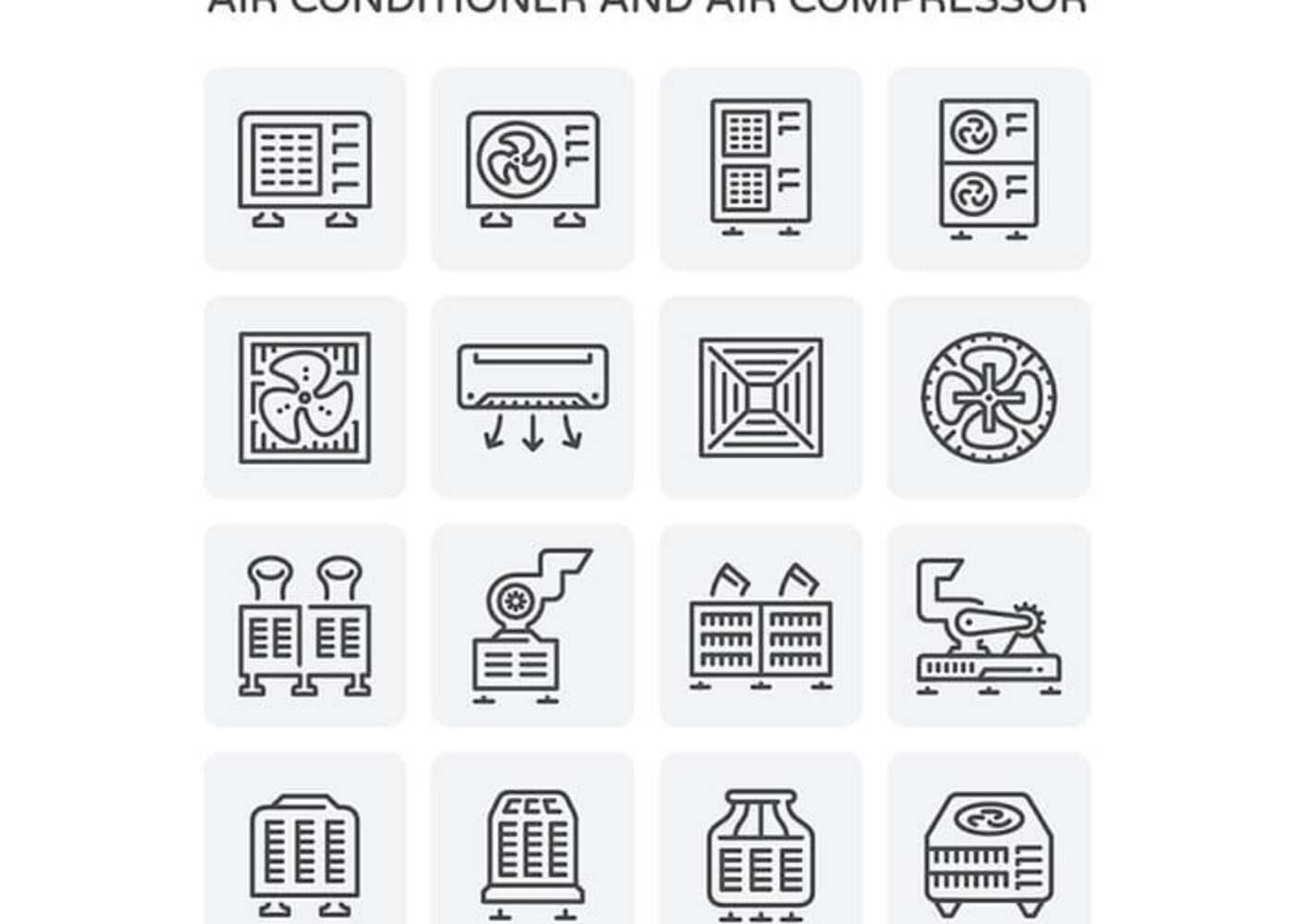
Not all units are the same. To achieve a stable, comfortable temperature, you need to match capacity to the space and its heat gains. Output is often discussed in BTUs (British Thermal Units) and/or kW. BTU is a measure of heat energy; in practice, what matters is whether the system can deal with the real-world load in that room, without constantly running at full power.
It’s tempting to use a single “quick” formula, but sizing is rarely that simple in commercial environments. A safe approach is to treat online calculators as a rough starting point, then confirm with a proper survey and heat-gain assessment. This helps avoid the two common mistakes: undersizing (poor comfort and high wear) and oversizing (short cycling, noise, and inconsistent humidity control).
When working out what you need, consider factors such as:
- Equipment that generates heat (IT, catering kit, printers, or other electrical machines).
- Glazing and insulation levels – large windows and weak insulation can increase heat gain and heat loss.
- Solar gain and shading – direct sunlight can quickly push temperatures up.
- Occupancy patterns – a room used intermittently may need different controls than a constantly occupied area.
- Condensate drainage and access for servicing – poor drainage planning can lead to leaks and disruption.
Also remember that higher-capacity systems may use more electricity if run continuously, but “bigger” does not automatically mean “more expensive to run” if it operates more efficiently and reaches setpoint quickly. Ongoing servicing also plays a part in performance and reliability, so it’s sensible to plan support from the start. Our service and maintenance team can advise on what’s practical for your building and usage.
AC Features to Look Out for
Beyond basic cooling, there are practical features that can make a noticeable difference in day-to-day comfort and running costs in commercial spaces:
Mode settings – Many machines offer more than cooling, such as heating, dehumidification and fan-only operation. Fan speed control can help you manage drafts and comfort in meeting rooms, front-of-house areas and busy work zones.
Timer – Scheduling helps you avoid unnecessary runtime and can be useful where occupancy is predictable (for example, opening hours or shift patterns).
Adjustable thermostat – A reliable thermostat supports steady conditions and reduces the need for constant manual adjustments. It should cycle on and off as needed, rather than being left to run unchecked.
Sleep / quiet mode – Often used overnight, quieter settings can also suit boardrooms, treatment rooms and other low-noise areas where sound levels matter.
For any fixed system, installation should be carried out by competent professionals, with the right qualifications for refrigerant handling and safe access. If you’re unsure what applies to your premises, our guide to regulations and good practice is a useful starting point.

AVERAGE COSTS
Running costs vary depending on system size, efficiency, set temperature, operating hours and your electricity tariff. As a simple way to estimate, a unit drawing 1kW of electrical power uses roughly 1kWh per hour of operation. Multiply the kW draw by your p/kWh rate to get a quick sense-check, then refine it with real runtime and controls. Using timers and sensible setpoints can help prevent unnecessary usage, and regular servicing helps keep performance where it should be.
BRISTOL & SOUTH WEST CONTEXT
Local building styles and weather patterns matter. Across Bristol and the South West, you’ll often find a mix of older stock (including Victorian terraces and converted commercial spaces) alongside modern offices and retail units. Insulation, glazing and layout can vary widely, which changes how quickly rooms heat up and how evenly temperatures can be maintained.
Coastal and changeable conditions can also increase humidity at times of year, so dehumidification and good airflow control may be as important as cooling. If external placement or noise is a concern for neighbours, it’s worth considering equipment positioning and operating modes early, and getting advice that fits your specific site. You can explore examples of similar local projects in our case studies.
FAQs
Do I need planning permission for an external unit?
It depends on the building, the type of installation and the setting (for example, listed status or conservation areas). Requirements can also be affected by visual impact, noise and where equipment is located. If there’s any doubt, it’s safest to check before work starts and keep the approach conservative.
How long does installation usually take?
Timescales vary with access, pipe runs, power supply requirements and whether you’re fitting multiple rooms. A site survey will typically confirm the practical route, any enabling works needed, and an achievable programme.
Will the unit make the room too dry?
Cooling can reduce humidity as part of normal operation, which often improves comfort. Oversizing or incorrect settings can lead to short cycling and less consistent humidity control, so correct sizing and commissioning matter.
What maintenance should I plan for?
At a minimum, expect filter cleaning or replacement, coil checks, condensate management and routine performance checks. For systems with refrigerant, leak checks and record-keeping may apply depending on charge size and regulations. A planned maintenance schedule helps reduce breakdowns and keeps efficiency more stable.
What should I do if the options feel unclear?
If the space has mixed usage, heat-producing equipment, or tricky access routes, it’s worth getting a professional survey. A qualified engineer can assess load, placement, drainage and controls so you don’t end up with a system that underperforms or is expensive to run.
Choosing the right system can improve comfort and help the working day run more smoothly. Here at Controlled Climate, we have over 25 years of experience with commercial cooling and heat pump solutions. If you’d like an engineer to assess your building and recommend an appropriate setup, speak to our team and we’ll help you take the next step.