
Air Conditioning Regulations
It’s understandable to question whether comfort cooling is worth it in the Great British weather. In reality, warmer summers and well-insulated homes can leave bedrooms and living spaces feeling uncomfortable for days at a time. Opening windows can help, but it can also introduce noise, security concerns, and warmer air at the wrong time of day.
Quick summary
Who this guide is for: Homeowners, landlords, and building managers considering a system for a flat, house, or residential block.
What it covers: The key UK compliance areas to be aware of before installation, including safe handling of refrigerant, inspection expectations for larger systems, and the planning side of external equipment.
Key takeaways: Use qualified engineers, keep the installation safe and tidy, and check permissions early if you’re changing the outside of a building.
These systems are common in shops and workplaces, but they can also be suitable for many types of residential property, including apartments. Modern equipment and installation methods make it a more practical option than many people expect. For help choosing a setup that suits your rooms and how you use them, our guide on selecting a home system explains the main considerations in plain English.
That said, there are important rules and best practices designed to keep people safe and protect the environment. The good news is that you don’t need to navigate everything alone – we work across Bristol and the wider South West and can advise on safe, compliant options for different property types.
Whether you’re considering a straightforward solution for one room or a more complex multi-room setup, it’s essential that the equipment is installed correctly, maintained responsibly, and handled by appropriately qualified technicians (especially where refrigerant is involved).
Regulations exist to protect households and buildings by reducing risk, preventing avoidable leaks, and ensuring equipment performs as intended. This guide covers the main areas most people need to understand before moving forward.
What “regulations” usually means in practice
In the UK, the key compliance themes typically include safe installation, responsible refrigerant handling, good record keeping for larger systems, and (where relevant) permission for external changes. The exact requirements vary depending on the type of property, the size of the system, and whether it’s installed for domestic or communal use.
Bristol & South West considerations
Local context matters. Across Bristol and nearby areas, we commonly see Victorian terraces, converted flats, and newer, well-insulated homes where heat can build up quickly. External units also need sensible placement to reduce noise impact on neighbours, particularly in denser streets and apartment settings.
If you’re in a conservation area or dealing with a listed property, it’s especially important to plan and take a cautious approach. In many cases, thoughtful equipment choice, careful siting, and tidy pipe routes can help reduce disruption and keep the project straightforward.
Scheduled Statutory Inspections
Many comfort cooling and refrigeration systems contain fluorinated greenhouse gases (often referred to as “F-gases”) as refrigerants. Because some of these refrigerants have a high global warming potential, UK rules focus on preventing leaks and ensuring work is carried out by competent, certified people. In practical terms, the expectations generally include:
- Refrigerant-related work (such as installing, servicing, or repairing a system) should be carried out by appropriately qualified professionals.
- Reasonable precautions should be taken to minimise the risk of leakage during installation and ongoing use.
- If a leak is suspected or confirmed, it should be investigated and rectified without undue delay, and the system should be left safe.
Not every home system requires formal, scheduled “statutory inspections”. In most cases, legal leak-check and record-keeping duties apply only when equipment exceeds specific refrigerant charge thresholds (often relevant to larger or communal installations). If you’re responsible for a residential block or shared plant, it’s wise to confirm what applies to your setup and put a compliant maintenance plan in place. Our service and maintenance support can help keep systems safe, efficient, and properly documented where required.

The EPC
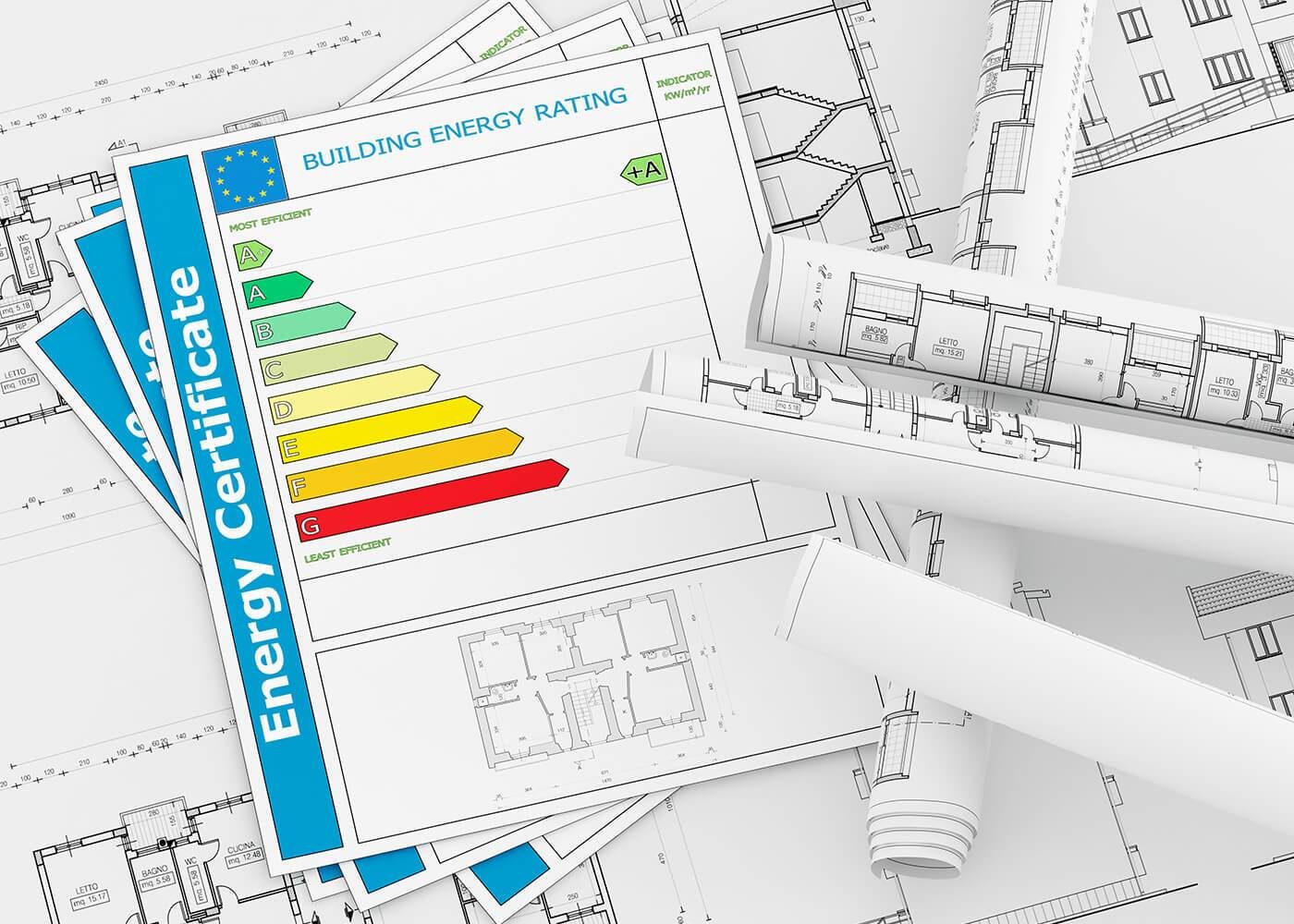
An EPC (Energy Performance Certificate) rates the energy efficiency of a building, not a specific piece of equipment. While it’s still sensible to consider efficiency when selecting a system, product efficiency is usually indicated through manufacturer specifications and the unit’s energy label rather than the EPC itself.
Separately, larger comfort cooling systems in certain buildings may be subject to periodic energy inspections under the Energy Performance of Buildings framework. These inspections are designed to highlight efficiency improvements and better operating practices. If you think your system may fall into that category, our guide on air conditioning inspections explains what they are and when they’re typically required.
Even where inspections aren’t mandatory, routine servicing helps maintain performance, reduce avoidable faults, and keep running costs sensible. If you’d like a qualified engineer to sense-check your setup, we can advise on practical next steps.
Planning Permissions
Permission requirements depend on the property and what’s changing externally. If you’re installing equipment that affects the outside of a building (such as an external condenser), you may need permission, and it’s common for flats to have additional restrictions via lease terms or building management rules.
Listed buildings and many conservation areas require a particularly cautious approach, and you may need listed building consent and/or planning approval before any external changes are made. If planning is likely to be a factor, our overview of UK planning considerations is a good starting point.
A reputable installer should help you think through placement, noise, neighbour impact, and the neatest route for pipework and drainage. Where rules are unclear, it’s safest to check early with the relevant local authority or managing agent rather than risk a costly rework.
Ultimately, these rules and best practices are in place to keep people safe and reduce environmental harm. With sensible design, careful installation, and appropriate servicing, a comfort cooling system can be a genuine benefit to day-to-day life at home.
FAQs
Do I always need planning permission for an external unit?
Not always. It depends on the building type, location (for example, conservation area), whether the change is external, and any restrictions that apply to flats or leasehold properties. When in doubt, check early with the relevant authority or building manager.
Do small home systems require legal leak checks?
Many domestic installations won’t meet the legal threshold for statutory leak checks. Larger or communal systems may have formal inspection and record-keeping duties. A qualified engineer can confirm what applies to your equipment.
Can I install or top up refrigerant myself?
Refrigerant work should be carried out by appropriately qualified professionals. It’s a safety, legal, and environmental issue, and incorrect handling can damage the system and create avoidable risk.
Will a more efficient unit always lower my bills?
Efficiency helps, but real-world running costs depend on sizing, insulation, usage patterns, set temperatures, and maintenance. Proper selection and setup are as important as the efficiency rating on paper.
What should I do next if I’m not sure what’s allowed?
Start by clarifying the property status (flat/leasehold, listed, conservation area) and where the equipment would sit. If you’d like, you can request a free survey, and we’ll talk you through the practical options before you commit.
If you would like to explore an installation or you want to speak to one of our team, please do not hesitate to call, email or fill out our online contact form, and we will be happy to answer any queries that you may have.
Why Controlled Climate? We support homes and residential blocks across Bristol and the South West, with qualified engineers and a compliance-first approach. If anything looks unclear or potentially high-risk, we’ll tell you plainly and recommend the safest route forward.