
A Guide to Server House Air Conditioning
Quick summary:
Who this is for: Facilities managers, IT leads, and business owners responsible for comms rooms, rack cupboards, or dedicated data spaces.
What it covers: Why temperature control matters, what drives heat build-up, common solution types (including CRAC), and how to choose a safe, maintainable set-up.
Key takeaways: Protect uptime by managing heat and humidity, size equipment properly, plan airflow and condensate drainage, and use qualified engineers for design, installation and ongoing care.
The IT section of your business is, arguably, one of the most important in the modern world. It’s the hub where systems connect, communication runs, and activity is tracked. These rooms and cupboards are also prone to overheating: machines operating continuously generate heat, and sustained high temperatures increase the risk of faults, outages and premature hardware failure. To reduce that risk, it helps to understand which type of cooling approach suits your space and usage. In this guide, we’ll walk you through what to consider before you invest.
The importance of cooling in IT server environments
It’s rare to find a business that isn’t dependent on reliable IT. Whether you have a single cupboard or a dedicated comms room, the environment needs to be controlled and maintained. When equipment is working hard for extended periods, heat can build quickly, especially where ventilation is limited. If temperatures (or humidity) drift outside the manufacturer’s recommended operating range, you may see instability, reduced performance, unexpected shutdowns, or longer-term component damage. A properly designed system helps stabilise conditions, protect hardware and support continuity.
Bristol & South West context
Across Bristol and the wider South West, we commonly see a mix of older buildings, converted spaces and compact plant areas. That can affect where indoor units, outdoor condensers and drainage can be routed, and it can make noise and neighbour considerations more important in dense residential areas. Coastal humidity and variable weather can also influence how you manage moisture and ventilation. If you’re unsure what’s practical for your property, our local team can advise on options and constraints during a site visit in the region we cover: our Bristol service area.
What to consider before choosing an approach
Before selecting a system, it’s worth taking a step back and confirming your priorities: required uptime, peak heat load, available electrical capacity, access for servicing, and how you will manage airflow and condensate. For purpose-built solutions and upgrades, you can also view our specialist page for server room installations.
THE IMPORTANCE OF AIR CONDITIONING IN IT SERVER ENVIRONMENTS
In our modern world, it is rare to find a business that isn’t heavily dependent on its server. As we mentioned above, whether you have an individual server cupboard or an entirely dedicated room, these environments need to be controlled and maintained. With a multitude of machines working at full capacity for an extended period of time, excess heat can raise temperatures quickly. If conditions are not managed, this can contribute to malfunctions, system failure and increased downtime for your business. This is where the right cooling system comes into place: designed to help regulate temperature and reduce the risk of avoidable issues.
Server House Air Condition or CRAC
At Controlled Climate, we often refer to these commercial set-ups as server house air conditioning packages. You may also come across the acronym CRAC (Computer Room Air Conditioning). In simple terms, this describes systems intended for comms rooms and data environments, sized and controlled for higher heat loads than typical comfort cooling. Any design involving refrigerants should be handled by appropriately qualified engineers and aligned with UK air-conditioning regulations and safe working practices.
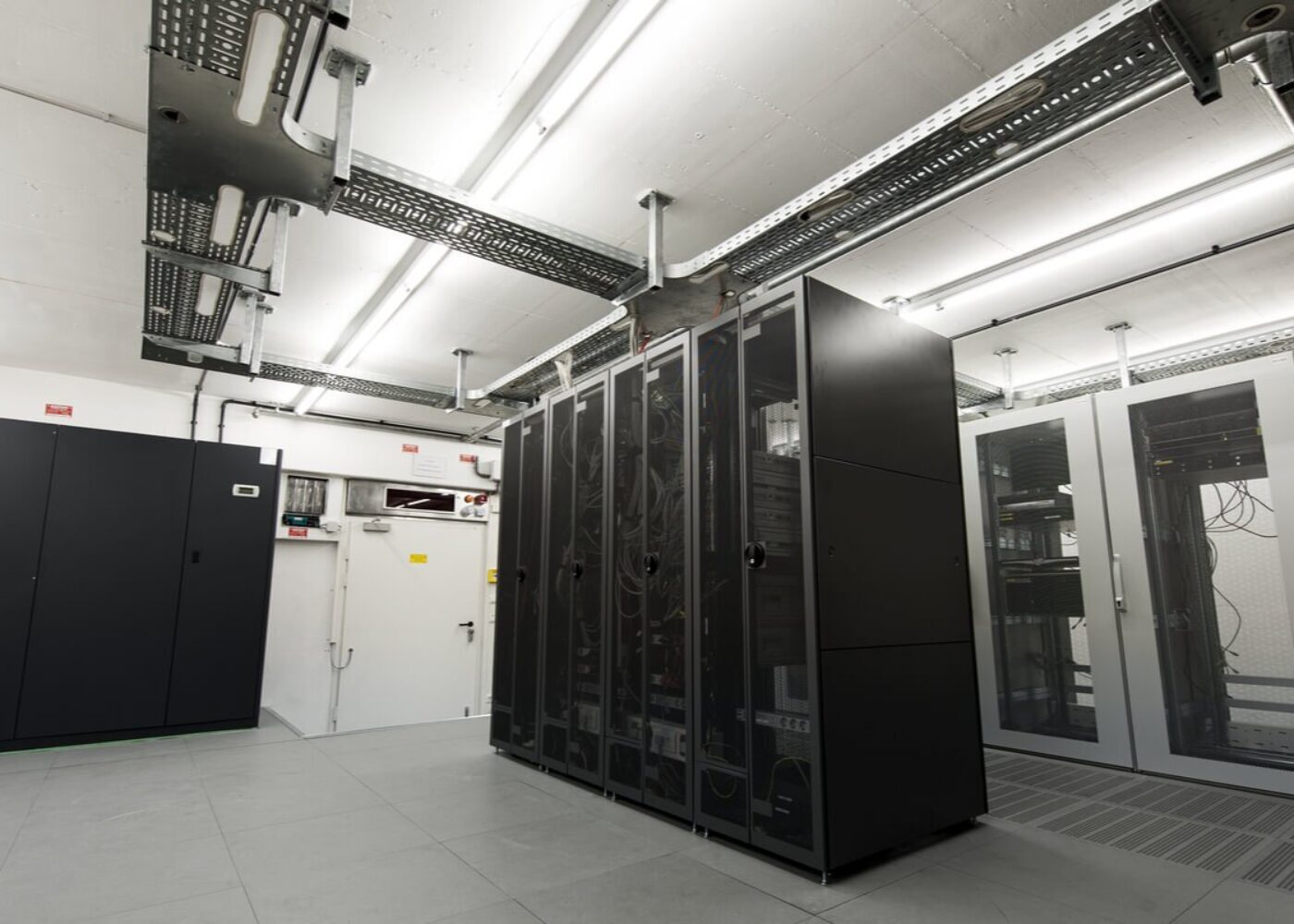
What Factors Dictate Temperature in an IT Server Room?
These environments vary in size and purpose. However, several practical factors influence how quickly heat builds during day-to-day operation:
- Room size and layout – Smaller, enclosed spaces tend to heat up faster, especially if airflow is restricted around racks and equipment.
- Lighting – Traditional lighting gives off heat; switching to LED can reduce unnecessary heat gain and energy use.
- People and access patterns – If the space is occupied regularly, body heat and door openings can affect stability. Unattended rooms can still overheat if the equipment load is high.
- Equipment and usage – The number, type and duty cycle of servers, switches and UPS equipment will largely determine the heat load.
When selecting a suitable unit, it’s important to consider these points, along with electrical capacity, ventilation and how you’ll manage condensate drainage. Traditional refrigerant-based systems are common, but many organisations also review running costs and environmental impact alongside performance. Ongoing care matters too: planned servicing and maintenance help keep performance stable and can reduce the risk of avoidable breakdowns.
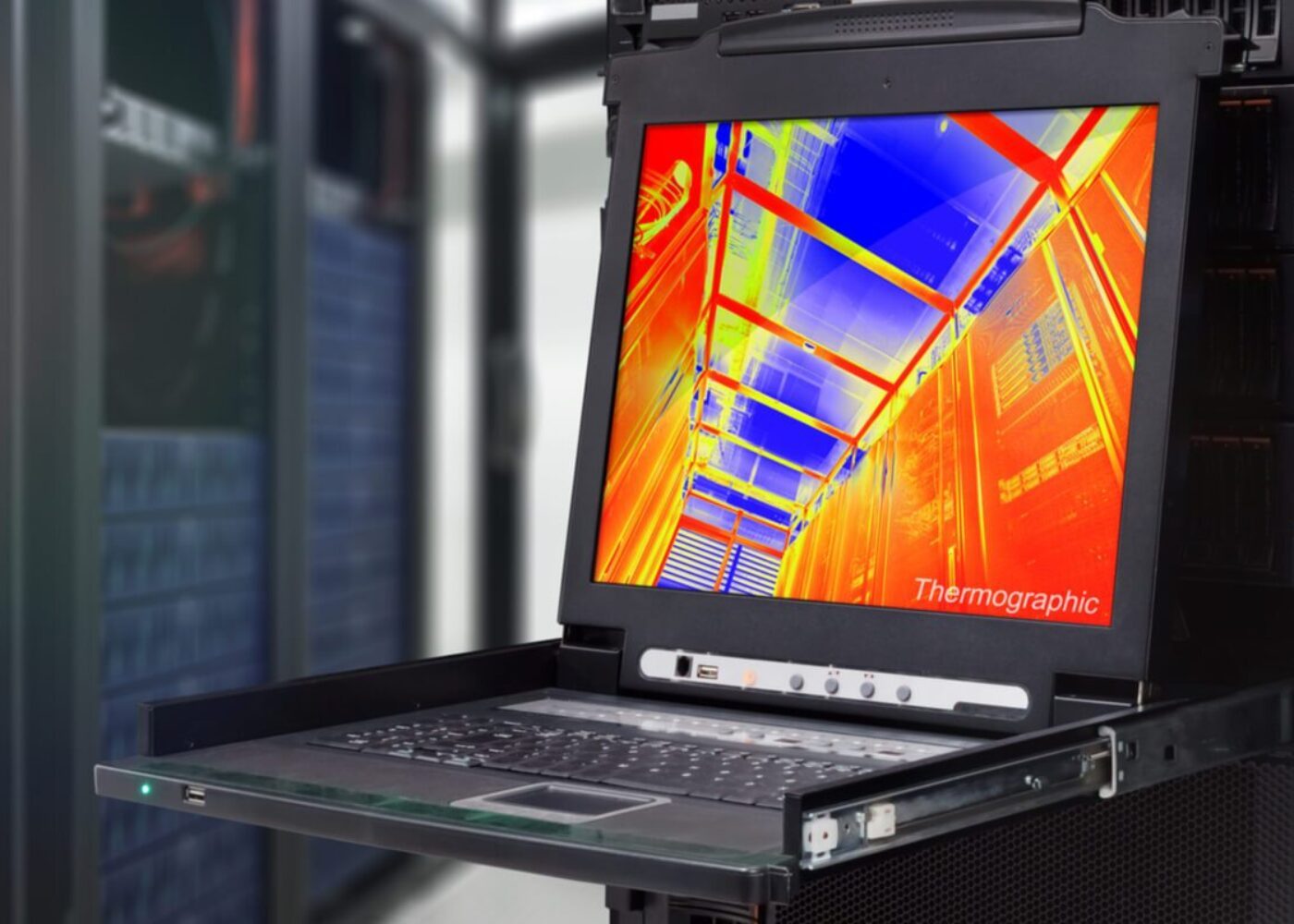
CREC Solutions
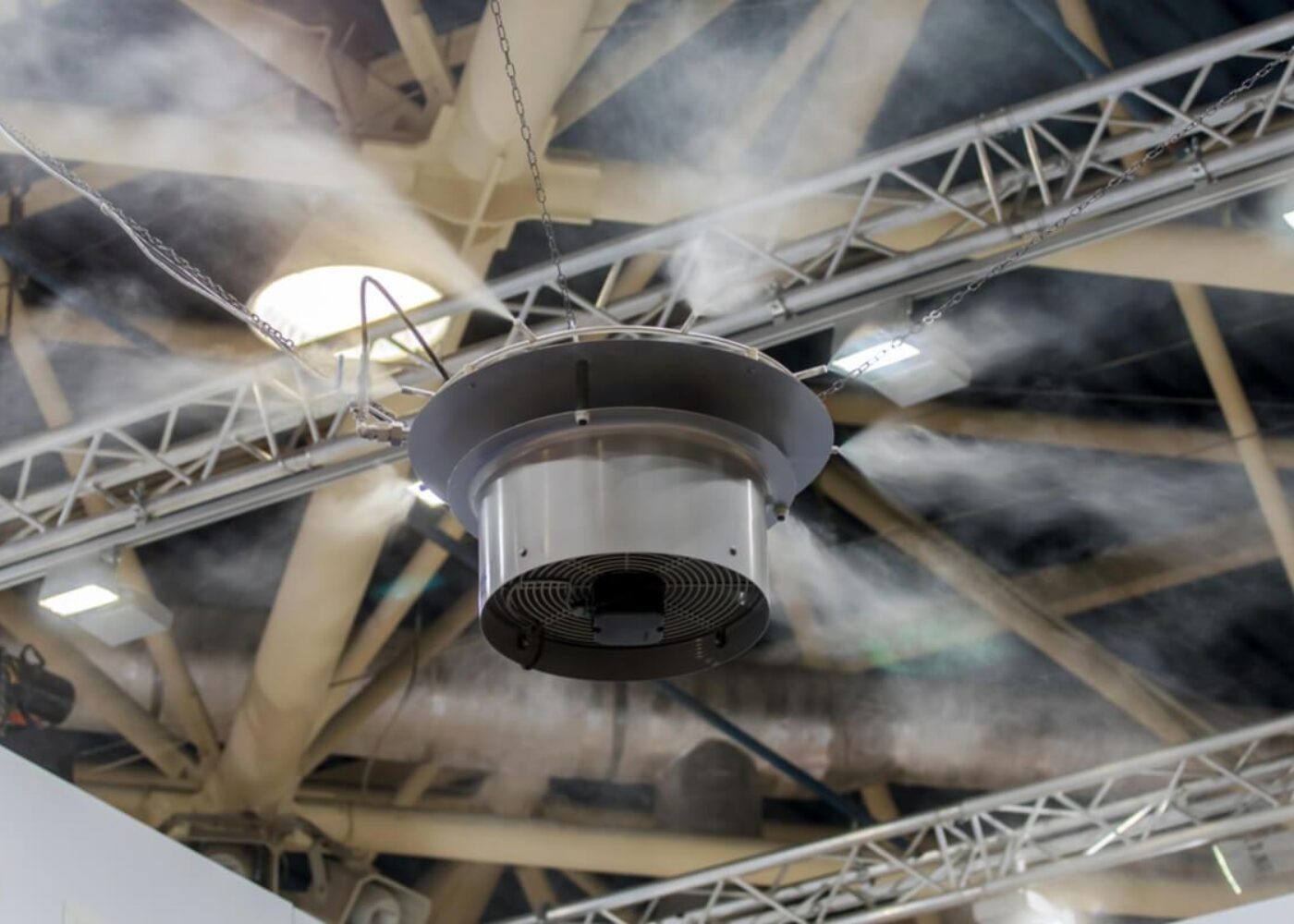
In some circumstances, businesses explore evaporative or adiabatic cooling approaches as part of a broader cooling strategy. The basic principle is that air is cooled as water evaporates, which can reduce energy use in the right conditions. However, suitability depends on your site design, filtration, outside air conditions and how strictly you must control humidity for sensitive equipment. It’s important to have this assessed professionally rather than assuming it will be appropriate for every comms room or data environment.
Optimal temperature in an IT server room
The right set-up depends on your requirements and the manufacturer guidance for your equipment. As a conservative starting point, many operators aim to keep conditions stable and within typical recommended ranges (often around the high teens to mid-twenties °C), while avoiding prolonged extremes. If temperatures or humidity regularly drift outside your equipment’s stated operating limits, the risk of instability and premature wear increases. Where uptime matters, monitoring and alarms are often as important as the unit itself.
How Can Controlled Climate Help Your Business?
Every space has different requirements. Some businesses have high-demand infrastructure running continuously; others operate smaller areas with lower loads or variable usage. While centralised systems can be effective in some premises, they are not always the best fit. Your decision should be based on factors including:
- Initial investment.
- Flexibility for future growth.
- Installation time and access constraints.
- Available electrical capacity and expected running costs.
At Controlled Climate Ltd, our qualified engineers and technicians take into account your heat load, room layout, access for safe servicing, and how air will move through the space. We also consider practical details such as condensate removal, noise, and how the system will be controlled and monitored. If you’d like a qualified engineer to assess options and risks for your site, you can request a free survey.
With over 25 years of experience, we support commercial design, installation and ongoing programmes to help keep performance reliable. Any work involving refrigerants must be carried out by suitably qualified personnel and maintained to a safe standard. Warranty terms can be provided as part of your proposal and may vary by equipment and scope.

The Right It Server Room Solution for You
As mentioned above, this area is often mission-critical. Investing in the right approach can help protect uptime and keep equipment operating more consistently. When you work with Controlled Climate Ltd, our process typically includes:
- Site evaluation – Our engineers visit the space, review the layout, heat sources, access, and practical constraints. We’ll ask the right questions to understand how the environment is used and what “good” looks like for your team.
- Proposal – We provide a clear proposal explaining the recommended approach, including key assumptions and any site requirements. This can be refined based on your feedback.
- Installation – Once approved, our team installs the system using safe working practices, with appropriate commissioning and checks.
- Quality assurance and handover – We test performance, confirm controls are set correctly, and talk you through safe operation and what to monitor over time.

Frequently asked questions
Do I need planning permission for outdoor equipment?
Planning requirements can vary by property type and location. In some settings (especially listed buildings, conservation areas, or where external plant affects neighbours), you may need consent or additional checks. If you’re unsure, it’s safest to confirm with the local planning authority and your installer before work starts.
How do you manage condensate and water safely?
Cooling systems can produce condensate. A safe design includes appropriate drainage, correct fall, and protection against leaks where water could affect equipment. If you ever see persistent dripping, switch off the unit if safe to do so and arrange an engineer visit.
How often should these systems be serviced?
Service frequency depends on equipment type, usage and criticality, but planned checks help maintain airflow, controls and cleanliness. If uptime is critical, a formal maintenance plan is usually the most reliable approach.
Are these systems noisy?
Noise levels vary by model and how the installation is designed. Good placement, vibration control and correct specification can make a big difference, particularly in built-up areas.
How can I check your work and reputation?
You can read verified feedback from customers on our reviews page, or speak with our team about similar projects we’ve supported locally.
We’re here to help you run an efficient and productive IT server within your business. For more information about suitable options, please contact our team. If you’d prefer to start with your local service page first, you can also visit our South West coverage.